
























|
Quantity
|
Out of stock
|
||
|
|
|||
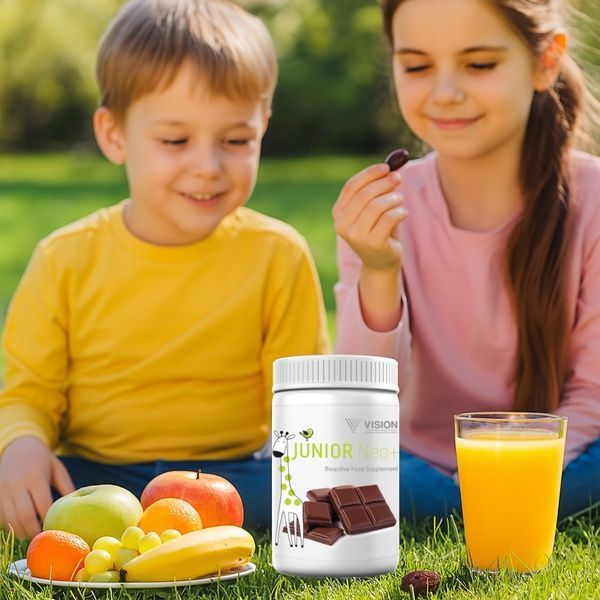
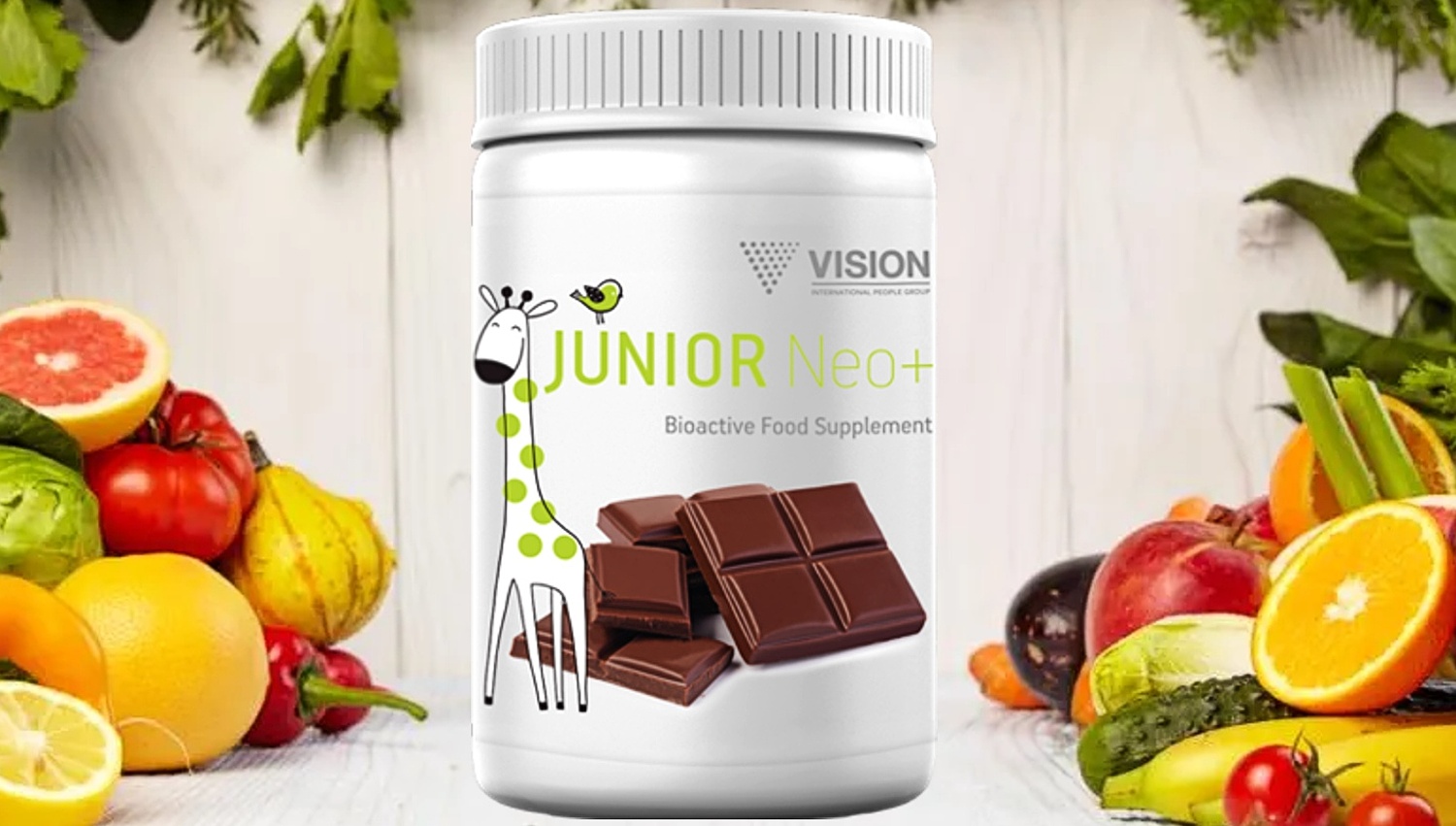
Junior Neo+ VISION is a biologically active complex specially designed to support children's health during periods of active growth and development. The formula includes not only key vitamins B, C, D3, E, beta-carotene, but also minerals (zinc, magnesium, copper, manganese, chromium) and natural lemon peel extract. This composition helps strengthen the immune system, maintains energy levels, supports the nervous system, improves metabolism and appetite in children.
These are not just children's vitamins — they are a new level of bioactive supplement, created with care for your child's health. The Junior Neo+ complex is based on natural ingredients and meets the requirements of modern children's nutrition. The unique chocolate tablet form makes it pleasant to take, even for the most picky children.
Thanks to its balanced composition and daily dosage, prepared with the needs of a growing body in mind, Junior Neo+ effectively replenishes the deficiency of essential vitamins, minerals and other nutrients necessary for the harmonious development of the immune, digestive, nervous and skeletal systems.
The Junior Neo+ VISION formula is enriched with antioxidants and natural flavonoids that help strengthen the body's immune system. They increase resistance to seasonal infections, reduce the incidence of colds and promote rapid recovery from illness. They also provide powerful anti-inflammatory and antiviral effects. This is especially important for preschool and primary school children, who often come into contact with other children and need enhanced immune support.
A balanced content of magnesium, B vitamins, vitamin D and micronutrients helps to normalise sleep, concentration, mood and adaptation to stress (including school stress). Special attention is paid to elements involved in the synthesis of neurotransmitters — they contribute to the harmonious psycho-emotional state of the child, improve cognitive functions and memory. This makes Junior Neo+ an excellent choice for both schoolchildren and children who are just beginning to actively socialise.
Vitamin C, vitamin D3, zinc and beta-carotene (provitamin A) are a powerful combination that helps the child's body fight viruses and bacteria, stimulates the immune response and reduces the risk of frequent colds.
Lemon peel extract is a powerful antioxidant rich in bioflavonoids, essential oils, organic acids and glycosides. It has antibacterial and anti-inflammatory properties, strengthens the immune system and protects against colds. It has a positive effect on metabolism and brain function. Lemon peel extract also promotes the synthesis of melanin and vitamin D, helping to alleviate the symptoms of sunlight deficiency in northern countries.
The complex contains 6 key B vitamins: B1, B2, B3 (PP, nicotinamide), B6, B9 (folic acid), and B12. These substances ensure stable nervous system function, help improve attention and memory, maintain a good mood, and reduce fatigue. The presence of folic acid (B9) is especially important — it participates in brain development and blood formation. It regulates the processes of excitation and inhibition of the nervous system and mitigates the effects of stress factors.
Magnesium and copper promote normal nerve impulse conduction, improve sleep and reduce irritability in children.
Nicotinamide (vitamin PP), zinc, magnesium and chromium are involved in the regulation of protein, fat and carbohydrate metabolism. They help normalise blood sugar levels, maintain stable cellular energy function and improve appetite. This is especially important for children during periods of intensive growth, as well as in cases of reduced nutrition or picky eating.
Vitamin D3 is the main builder of bone mineralisation. In combination with magnesium, manganese and zinc, it supports the health of the skeleton, teeth and muscles.
Beta-carotene (provitamin A) and vitamin E protect cells from free radicals, improve skin condition, support healthy vision and accelerate tissue regeneration. The eyes also need vitamin C, because without it, the body cannot provide antioxidant protection for the organs of vision.
Manganese and copper are involved in the synthesis of enzymes that are important for antioxidant protection and proper growth.
Vitamins C and E protect the nerve cells of the brain and prevent fatigue, which is common in children.
Properties of vitamins Junior Neo+:
- Help provide the growing body with all the key vitamins, micro- and macroelements during the period of active development.
- Support eye health and reduce the risk of vision problems in children.
- Facilitate adaptation to new conditions — kindergarten or school — by reducing stress levels.
- Help increase haemoglobin levels and improve blood formation.
- Stabilise emotional background, helping children to better cope with psycho-emotional stress.
- Help improve concentration, thinking and memory.
- Help prevent delays in growth and physical and mental development.
- They increase the efficiency of calcium absorption to strengthen bone tissue, teeth and form a strong skeleton.
- They stimulate cognitive activity, motor skills and curiosity in children.
- They activate immune mechanisms and increase the body's natural resistance.
- They normalise digestion and maintain healthy intestinal microflora.
- They have a tonic and general strengthening effect.
- They reduce vulnerability to autoimmune processes.
- They protect cells from the effects of free radicals thanks to their antioxidant properties.
- They reduce the frequency of colds and increase resistance to viral and bacterial infections.
- They help support children with conditions such as enuresis or speech disorders (stuttering).
- They contribute to the comprehensive, harmonious development of the growing body.
- They balance the nervous system: they reduce fatigue and prevent hyperactivity.
- They stabilise appetite, activate metabolism and maintain normal weight.
- They are recommended during periods of intense physical and mental stress, after surgery, during sports activities or in cases of sleep disorders.
- They help in the prevention and comprehensive treatment of anaemia; respiratory diseases (acute and chronic); infections of various origins; endocrine disorders; dermatological problems: diathesis, allergies, chronic skin conditions; neurological disorders in children.
- They are useful for pregnant and breastfeeding women (in higher doses), as well as for older people — to support overall health.
Recommended as a biologically active food supplement — a source of bioflavonoids, organic acids, glycosides, an additional source of vitamins C, E, D3, B1, B2, B3 (PP), B6, B9 (folic acid), B12, beta-carotene and minerals: magnesium, zinc, manganese, copper and chromium.
*Dietary supplements are not a substitute for a balanced and healthy diet.
*Not a medicinal product.
VITAMIN E is one of the most important vitamins for a growing child's body. It is also called the ‘vitamin of youth’ because it helps protect cells from damage and supports the skin, immune system, heart, and overall development of the child. It is especially useful during periods of active growth when the body is forming new cells, tissues, and systems. Vitamin E acts as a powerful antioxidant — it helps cells defend themselves against harmful external factors such as viruses, air pollution, toxins, and even excessive mental and emotional stress. As a result, it contributes to the overall health and well-being of children every day.
- Strengthens immunity: Doctors confirm that vitamin E helps the immune system work more actively and effectively. Studies have shown that children who receive sufficient amounts of this vitamin are better able to fight viruses, and periods of illness are reduced.
- Supports skin and hair health: Children, like adults, need healthy skin. Vitamin E helps maintain its elasticity, promotes healing of microdamage and reduces irritation. It also has a positive effect on the condition of the hair, making it stronger, shinier and more vibrant.
- Affects brain function and memory: During the learning period, a child's brain is constantly under stress. Vitamin E promotes better blood circulation in the brain, supports the cells of the nervous system, which has a positive effect on the ability to concentrate, think quickly and remember new information.
- Improves the condition of muscles and the cardiovascular system: This vitamin is essential for the normal development of muscle tissue. It helps muscles work properly, which is important during physical activity or sports. Vitamin E also promotes heart and vascular health by maintaining their elasticity and proper functioning.
- Supports vision: Since vitamin E protects the cells of the eyes from damage, it is useful for maintaining vision, especially in modern conditions when children spend a lot of time in front of screens.
Vitamin E is part of the Junior Neo+ vitamin and mineral complex in a safe dose adapted for children. It works in tandem with other beneficial substances, such as vitamins C, D3, B group, zinc, magnesium and lemon extract, providing comprehensive support for the child's body. Regular intake of vitamin E helps children grow up healthy, energetic and resistant to environmental influences. It is an important part of caring for the harmonious development of children from the first years of life.
VITAMIN PP, also known as vitamin B3 or nicotinamide, is extremely important for the proper functioning of a child's body. It is one of the key vitamins involved in energy production, brain function, nervous system support and digestion. In a child's body, it supports hundreds of processes every day that affect their overall health, mood, and development.
- Helps children stay active and alert: Vitamin B3 is involved in converting food into energy. This helps children feel more energetic throughout the day and gives them the strength to study, play sports, play games and enjoy new experiences. A deficiency of this vitamin can cause children to become lethargic, sleepy or irritable.
- Supports the nervous system and mood: Nicotinamide helps nerve cells function steadily. Studies confirm that sufficient levels of vitamin B3 promote restful sleep, reduce anxiety and improve a child's ability to adapt to change — for example, to school or new people.
- Promotes concentration and better memory: Especially important at school age, vitamin PP improves brain function, enhances attention, helps to memorise faster and perform tasks more efficiently. This is confirmed by both paediatricians and parents who notice improvements in the learning of children who get enough vitamin B3.
- Improves the condition of the skin and mucous membranes: Nicotinamide promotes healthy skin — it helps fight dryness, redness and rashes. Thanks to this vitamin, children's skin looks well-groomed and minor irritations heal faster.
- Supports gastrointestinal function: B3 is essential for normal digestion — it improves appetite, stimulates gastric juice secretion and helps absorb nutrients. This is important for children who have problems with appetite or frequent stomach complaints.
The combination of vitamin PP with other B vitamins, vitamins C and D3, magnesium and zinc provides powerful support for the mental, physical and emotional development of the child.
VITAMIN B1, or thiamine, is one of the most essential vitamins for a child's body. It is involved in the functioning of the brain, heart, nervous system and muscles. Its role is especially important during periods of active growth, when children face new challenges, experiences and stresses every day.
- Improves brain function and memory: B1 helps nerve cells transmit signals quickly and efficiently. Thanks to this, children remember information better, learn more easily, focus on tasks and become more attentive. Studies confirm that thiamine deficiency can reduce concentration and affect a child's emotional state.
- Promotes restful sleep and balanced behaviour: Thiamine has a mild calming effect. Sufficient levels help reduce irritability, anxiety, and tearfulness, and also promote normal sleep. Doctors note that children who get enough vitamin B1 adapt more easily to new conditions (kindergarten, school) and are less likely to have mood swings.
- Supports the cardiovascular system: B1 promotes proper heart function and blood circulation. It helps cells obtain the energy necessary for growth and an active lifestyle. In children with sufficient levels of thiamine, the heart works steadily and the body copes better with physical exertion.
- Provides energy and endurance: Vitamin B1 is involved in the process of converting carbohydrates into energy. Thanks to this, the child gets tired less, remains cheerful throughout the day and has the strength to study, play active games and do sports.
- Supports digestion and appetite: B1 also affects the digestive system — it helps stimulate appetite, improves digestion and promotes the absorption of nutrients. This is especially important for children with picky eating habits or poor appetite.
Vitamin B1 is part of the Junior Neo+ VISION vitamin and mineral complex — in a carefully selected form and dose adapted to the needs of a child's body. In combination with other B vitamins, magnesium, zinc, vitamins C and D3, and natural extracts, thiamine provides comprehensive support for a child's mental and physical development. It is a daily aid to help children grow up healthy, active, emotionally balanced, and confident.
VITAMIN B6 (pyridoxine): emotional balance, immunity and brain development. Vitamin B6 is an indispensable aid for a growing child's body. It is responsible for many important processes: the formation of the nervous system, immune support, brain function, blood formation and even a good mood. During active growth, a child's need for vitamin B6 increases, so it is important to get it daily from food or in the form of a balanced complex.
- Helps the nervous system function stably: Vitamin B6 is involved in the creation of substances that affect a child's mood and behaviour — for example, serotonin (the ‘happiness hormone’). Thanks to this, the child copes better with emotions and shows less irritability, fear or excitement. Doctors note that B6 is useful for children who experience anxiety, sleep poorly or have difficulty adapting to new situations (kindergarten, school).
- Promotes brain development and concentration: Pyridoxine supports mental activity: it improves memory, helps focus on tasks and promotes quick thinking. Studies have shown that vitamin B6 is essential for the normal development of cognitive functions in school-age children.
- Supports a strong immune system: This vitamin is actively involved in the formation of immune system cells. It helps the body fight viruses, bacteria and inflammatory processes effectively. Children who regularly get enough B6 are less likely to get sick and tolerate seasonal infections more easily.
- Promotes blood formation and increases haemoglobin: B6 is necessary for the synthesis of haemoglobin, a protein that carries oxygen in the blood. This improves the supply of oxygen to the brain, muscles and all organs. It is important for growth, endurance and the prevention of anaemia.
- Improves protein and fat absorption: Pyridoxine helps children's bodies digest proteins and fats, supports liver function and digestion in general. It is especially useful for children with picky appetites or increased physical activity.
Vitamin B6, in combination with other B vitamins, magnesium, zinc, vitamins C, D3, B12 and natural extracts, provides reliable support for children's health, emotional balance and mental development.
VITAMIN B2 (riboflavin): energy, vision and good looks for your child. Riboflavin is a true ‘vitamin of energy and growth’. Its role in a child's body cannot be overestimated: it is responsible for normal growth, proper cell function, healthy skin and vision, as well as for converting food into energy. During periods of active development, children need daily support, and riboflavin is an important part of this process.
- Provides your child with energy for the whole day: Vitamin B2 helps the body convert fats, proteins and carbohydrates from food into energy. This means that your child will be less tired, more active, cheerful and in a good mood. This is especially important for schoolchildren and children who play sports or have a busy schedule.
- Promotes normal growth and development: Riboflavin is necessary for the formation of new cells and tissues, so it is extremely important during growth. Studies have shown that a lack of B2 in children can slow physical development, worsen skin condition and overall well-being.
- Helps maintain good vision: Vitamin B2 protects the eyes from fatigue, dryness and irritation, and reduces the risk of vision impairment. It is especially useful in today's world, where children spend a lot of time in front of screens. Doctors confirm that sufficient levels of riboflavin help maintain clear vision and eye health.
- Cares for skin, nails and hair: Riboflavin promotes healthy skin, helps fight cracks in the corners of the lips, skin irritation and flaking. It also strengthens nails and hair, making children more confident.
- Supports the nervous system: Vitamin B2 helps nerve cells transmit signals, which affects the child's emotional state. Thanks to this, they cope better with stress, are less irritable and recover faster from fatigue.
Vitamin B2 is included in the Junior Neo+ VISION children's complex in a safe dosage that meets the daily needs of a child's body. In combination with other B vitamins, vitamins C and D3, magnesium, zinc and natural extracts, riboflavin supports energy, vision, skin and overall child development.
VITAMIN B9, or folic acid, is one of the key vitamins for healthy child growth. Its role is to support cell division, blood formation, nervous system development and maintain a stable emotional state. B9 is necessary for a child's body every day, especially during periods of active physical and mental development.
- Supports cell growth and renewal: Folic acid is involved in the creation of new cells — skin, blood, muscles, brain tissue. It is thanks to this vitamin that a child's body can grow actively and recover quickly. Doctors note that a deficiency of vitamin B9 in children can lead to growth retardation, lethargy, and a weakening of the body's protective functions.
- Promotes healthy blood formation: B9 is necessary for the formation of red blood cells, which carry oxygen to all organs. Studies have shown that folic acid helps maintain normal haemoglobin levels, prevents the development of anaemia and improves the overall well-being of the child.
- Supports brain and nervous system development: Folic acid is important for the proper functioning of the nervous system and emotional balance. It helps reduce excitability, improve sleep, and increase learning ability. Children who regularly receive sufficient amounts of vitamin B9 concentrate better, memorise new information faster, and cope with mental stress more easily.
- Strengthens immunity: Folic acid has a positive effect on the immune response — it participates in the formation of white blood cells, which protect the body from viruses and bacteria. This is especially important for children who are often ill or attend kindergarten or school, where there are large crowds of people.
- Promotes emotional stability: By participating in the production of neurotransmitters (substances that ‘control’ emotions), B9 helps reduce anxiety, irritability and nervousness. Children with sufficient levels of folic acid are calmer, more balanced and adapt more easily to change.
Folic acid, combined with vitamins B, C, D3, magnesium, zinc and natural ingredients, promotes harmonious development, active growth and a strong immune system.
VITAMIN D3: strong bones, immunity and a good mood for your child every day. Vitamin D3 is one of the most important vitamins for children during periods of active growth. It is often called the ‘sunshine vitamin’ because it is produced in the body when exposed to sunlight. However, with modern lifestyles, especially in winter or when there is a lack of outdoor activities, children often have a vitamin D3 deficiency. That is why it is so important to supplement it with high-quality vitamin complexes.
- Promotes the formation of strong bones and teeth: D3 helps absorb calcium and phosphorus — the two main ‘building materials’ for bone tissue. Thanks to this, the child grows properly, develops good posture, strong teeth and healthy bones. Doctors emphasise that a lack of vitamin D3 in children can lead to skeletal disorders, leg curvature or slow growth.
- Strengthens the immune system: D3 activates the work of immune cells and increases the body's natural ability to defend itself against viruses and bacteria. Studies have shown that children who receive sufficient amounts of vitamin D3 are less likely to suffer from colds and infections.
- Has a positive effect on the nervous system and mood: Vitamin D3 is involved in the functioning of the brain and emotional background of the child. It helps reduce anxiety, improves sleep and promotes overall psychological comfort. For children who often get tired, sleep poorly or have mood swings, vitamin D3 can be a natural support.
- Improves muscle strength and endurance: Vitamin D3 is also essential for muscles — it supports their normal functioning and helps children move, jump and run better. This is especially important for active children or those who play sports.
- Prevention of rickets and other developmental disorders: A lack of vitamin D3 at an early age can lead to the development of rickets, a disease in which bones become soft and deformed. That is why paediatricians around the world recommend regular intake of D3, especially in the autumn and winter.
Vitamin D3, combined with magnesium, vitamins C, E, B group and other important micronutrients, provides reliable support for the child's body — for health, growth, strong immunity and a good mood every day.
VITAMIN B12 is one of the most essential vitamins for a child's body. It participates in brain function, affects the nervous system, supports blood formation and helps maintain energy throughout the day. B12 is important at any age, but especially during periods of growth and mental stress.
- Supports the nervous system and psychological comfort: Vitamin B12 is necessary for the normal functioning of nerve cells. It helps children cope with stress more easily, improves sleep quality and promotes emotional balance. Doctors confirm that children with B12 deficiency are more likely to experience irritability, fatigue, mood swings and difficulty concentrating.
- Promotes good memory and learning: B12 supports brain function and cognitive functions: it improves memory, thinking speed and attention. This is especially important for schoolchildren and children who are constantly learning new things — at school, in clubs, and when communicating with their peers.
- Participates in blood formation: B12 is necessary for the formation of red blood cells (erythrocytes), which carry oxygen to all organs and tissues. Studies have shown that a vitamin B12 deficiency can lead to anaemia, which manifests itself in weakness, pale skin, and decreased endurance.
- Adds energy and endurance: This vitamin helps convert food into energy. Therefore, a child with sufficient B12 levels feels active, less tired, and can tolerate physical and mental stress more easily.
- Supports appetite and digestive health: B12 has a positive effect on appetite and gastrointestinal function, helping to maintain normal digestion and nutrient absorption.
Vitamin B12, together with other B vitamins, C, D3, magnesium, zinc and natural ingredients, provides reliable support for children's health: from the nervous system and brain to immunity and blood.
VITAMIN C: a shield for immunity and a natural energy boost. Vitamin C is one of the most well-known vitamins, and for good reason. It performs many useful functions in a child's body: it strengthens the immune system, helps fight disease, improves the condition of the skin, gums and blood vessels, and supports overall well-being. During periods of growth, learning and daily activity, vitamin C is a true ally of children's health.
- Supports immunity in any season: This vitamin activates the body's defences. It helps fight viruses and bacteria, shortens the duration of colds, and reduces the risk of complications after illness. Studies have shown that children who regularly receive sufficient amounts of vitamin C have a 30-40% reduction in seasonal illnesses.
- Helps the body absorb iron: Vitamin C increases the absorption of iron from food, which is important for the prevention of anaemia — a condition accompanied by weakness, rapid fatigue and decreased endurance. That is why it is often recommended for children with low haemoglobin or poor appetite.
- Improves the condition of the skin, gums and blood vessels: This vitamin is involved in the production of collagen, a protein that is essential for healthy skin, gums, hair and blood vessels. Thanks to vitamin C, a child's skin looks healthy and minor wounds heal faster. It also strengthens capillaries and prevents bruising for no apparent reason.
- Natural antioxidant: Vitamin C protects cells from harmful environmental influences, helps reduce inflammation in the body and supports healthy metabolism. Its antioxidant effect is especially important for children who live in cities or are often exposed to stress and physical exertion.
- Promotes energy and good mood: By participating in metabolism, vitamin C helps children stay alert, active and cheerful throughout the day. It reduces fatigue and promotes faster recovery after physical activity.
Vitamin C, together with vitamins D3, B group, zinc, magnesium and other components, provides comprehensive support for the immune system, growth and harmonious development of the child.
BETA-CAROTENE: natural protection for your child's vision and immunity. Beta-carotene is a natural substance often referred to as ‘provitamin A.’ In a child's body, it is converted into vitamin A, one of the most important elements for vision, growth, skin, and protection against infections. Beta-carotene is found in bright orange vegetables and fruits (carrots, pumpkin, apricots), but children do not always get enough of it from food. That is why beta-carotene in the Junior Neo+ vitamin complex is a reliable support for your child's daily health.
- Supports vision and protects the eyes: Beta-carotene is a key component for eye health. It strengthens the retina, helps you see better in low light conditions, and reduces eye fatigue. Doctors confirm that children who get enough provitamin A are less likely to complain of dry eyes, blurred vision and overload from gadgets.
- Promotes strong immunity: Beta-carotene helps the body form cells that are responsible for protection against viruses and bacteria. Studies have shown that provitamin A plays an important role in maintaining the mucous membranes (nose, throat, gastrointestinal tract), which are the first line of defence against infections.
- Improves the condition of the skin and mucous membranes: This component also takes care of the appearance — it helps to reduce skin dryness, accelerates the healing of minor damage, and reduces flaking. Thanks to this, the child's skin looks healthy, soft and moisturised.
- Safe form of vitamin A: Unlike ready-made retinol (vitamin A), beta-carotene is a mild, natural form that the body converts into vitamin A only in the amount it needs. This means that there is almost no risk of overdose, which is especially important for children.
- Antioxidant cell protection: Beta-carotene acts as an antioxidant, protecting cells from the harmful effects of the environment, stress, toxins and free radicals. This contributes to the overall strengthening of health and the resistance of the child's body to external irritants.
Beta-carotene in Junior Neo+ VISION works together with vitamins C, E, B, D3, zinc, magnesium and natural extracts to create a powerful formula for supporting vision, immunity, skin and daily vitality.
ZINC: strong immunity, healthy skin and active growth in children. Zinc is one of the most important trace elements for a child's body. It is needed by almost all systems: immune, nervous, digestive, and is also responsible for growth, development, wound healing and cognitive function support. A child's body does not store zinc ‘in reserve’, so it must be obtained daily — from food or vitamin and mineral complexes.
- Increases resistance to disease: Zinc strengthens the immune system and helps the body respond more quickly to viruses, bacteria and other threats. Doctors confirm that children who regularly receive sufficient amounts of zinc are less likely to get sick and tolerate seasonal colds more easily.
- Promotes rapid wound healing and tissue regeneration: Zinc is essential for cell renewal. Thanks to this, minor scratches, rashes, irritations or cracks in the skin heal faster. It also reduces inflammation and maintains healthy skin.
- Important for growth and development: Zinc is involved in the production of growth hormones and ensures the proper formation of bones, muscles and internal organs. Studies have shown that its deficiency can lead to growth retardation, fatigue, weakness and decreased appetite.
- Improves appetite and nutrient absorption: One of the important functions of zinc is to maintain a healthy appetite. It also helps the gastrointestinal tract to better digest food and absorb vitamins and minerals. This is especially important for children who are poor eaters or picky eaters.
- Supports mental activity and memory: Zinc helps nerve cells transmit signals, which affects a child's attention, memory, thinking and emotional stability. Sufficient levels of zinc are associated with better academic performance and faster adaptation to schoolwork.
Zinc, combined with vitamins C, D3, B group, magnesium, copper and natural extracts, helps children stay healthy, active and confident.
MANGANESE: brain development, strong bones and protection against inflammation. Manganese is a trace element that often remains ‘in the shadow’ of more well-known vitamins and minerals, but in fact it plays a very important role in a child's health. It is essential for proper brain development, bone formation, normal metabolism and protection of cells from damage. The body does not produce manganese on its own, so it must be obtained daily — either from food or from high-quality vitamin and mineral complexes such as Junior Neo+ VISION.
- Supports brain and nervous system development: Manganese is involved in the creation and protection of nerve cells. It improves coordination, attention, reaction speed, and the overall psycho-emotional state of the child. Studies have shown that manganese is important for concentration and memory, especially in school-age children.
- Promotes bone and joint strength: Manganese is necessary for calcium absorption and bone tissue formation. Together with vitamin D3, calcium and magnesium, it creates a reliable foundation for a strong musculoskeletal system. Paediatricians emphasise that sufficient manganese reduces the risk of skeletal deformities and helps to avoid posture problems in the future.
- Regulates metabolism: Manganese is involved in the conversion of carbohydrates and fats into energy. This helps children feel active, prevents fatigue and facilitates the absorption of nutrients. This is especially useful for children who often complain of fatigue or have an unstable appetite.
- Promotes antioxidant protection: This trace element helps the body fight the harmful effects of external factors, from polluted air to stress. Manganese activates protective enzymes that reduce inflammation, protect cells and support overall health.
- Supports skin health and tissue healing: Manganese has a positive effect on skin condition, promotes rapid healing of minor scratches, cracks or rashes. It also helps maintain skin elasticity and prevents flaking.
Manganese is included in the Junior Neo+ VISION complex in a dosage that is safe for children. Together with zinc, magnesium, vitamins D3, B-group, C and E, it supports the development of the brain, bones, nervous system and overall well-being of the child.
COPPER: healthy immunity, strong blood and proper brain development. Copper is a trace element that a child's body needs every day, albeit in very small amounts. It is involved in many important processes: it helps form blood, supports the functioning of the heart and blood vessels, strengthens the immune system and nervous activity.
- Helps form healthy blood: Copper is necessary for the proper absorption of iron and the creation of haemoglobin, a protein that carries oxygen throughout the body. Doctors confirm that children with copper deficiency may show signs of anaemia even with sufficient iron levels. That is why these two elements must work together as a team.
- Supports immunity and protects against disease: Copper activates immune cells and helps the body respond effectively to viruses, bacteria and other harmful influences. Studies have shown that even a slight copper deficiency can reduce resistance to infections, especially in the autumn and winter.
- Essential for heart and vascular health: Copper helps maintain the elasticity of blood vessels and stable blood circulation. This is important not only for physical endurance, but also for the overall development of a child's brain, memory and attention.
- Supports brain and nervous system function: This trace element is involved in the transmission of nerve impulses. Thanks to this, children can concentrate better, think faster and cope more easily with emotional stress. Copper also promotes the synthesis of dopamine, the ‘feel-good hormone’, which is important for psychological comfort.
- Improves the condition of skin, hair and bones: This element helps the body produce collagen, a protein that supports the health of skin, joints and ligaments. Copper also affects hair pigmentation and healthy bone structure.
Copper is part of the Junior Neo+ VISION complex in a carefully selected dosage for children. Combined with B vitamins, zinc, manganese and magnesium, it provides natural support for blood, immunity, the nervous system and harmonious development.
CHROMIUM: sugar control, energy and healthy metabolism in children. Chromium is a microelement that helps children's bodies use sugar from food properly, maintains stable energy levels and promotes healthy metabolism. Although chromium is less talked about than other vitamins or minerals, it plays a very important role in children's bodies.
- Maintains stable blood sugar levels: Chromium helps insulin work more effectively, which is why it controls blood glucose levels. This is important so that children do not experience sudden energy crashes: when their mood rises sharply after eating something sweet and then drops half an hour later. Studies have shown that children with sufficient chromium levels have better endurance and more stable energy levels throughout the day.
- Reduces cravings for sweets: When children are deficient in chromium, they often experience excessive cravings for sweets, chronic fatigue, and irritability. This trace element ‘tells’ the body that it has already received enough sugar, so appetite and cravings for unhealthy snacks decrease.
- Promotes healthy metabolism: Chromium is involved in the conversion of carbohydrates, fats and proteins into energy. This allows food to be better absorbed and the child's body to use all nutrients efficiently. This is especially beneficial for children with slow metabolism or unstable weight.
- Helps you stay energetic throughout the day: Adequate chromium levels mean that the body distributes energy properly, does not waste it excessively and does not experience sharp drops. This is especially important for active children — at school, in clubs or during sports.
- Works together with other trace elements: Chromium enhances the action of insulin, but also works in combination with magnesium, zinc, and B vitamins — just as it is implemented in the Junior Neo+ VISION formula.
Chromium in Junior Neo+ provides gentle and safe support for children's bodies. It helps control sugar levels, ensures a steady energy level, reduces cravings for sweets and promotes proper metabolism.
MAGNESIUM: a calm nervous system, a healthy heart and good sleep for your child. Magnesium is one of the most important minerals for a child's body. It is involved in hundreds of processes in the body, including regulating the nervous system, muscles, heart and digestion, and helps the body to better absorb other nutrients. During periods of active growth, children especially need magnesium every day.
- Helps the nervous system work calmly and smoothly: Magnesium maintains nervous balance, reduces excitability and helps children cope with their emotions more easily. Studies have shown that children with magnesium deficiency are more likely to experience irritability, anxiety, sleep disturbances and difficulty concentrating.
- Promotes deep and restorative sleep: Magnesium relaxes muscles and nerves, making it easier for children to fall asleep and sleep more soundly. It helps the body ‘rest properly’ so that children wake up feeling refreshed and energetic in the morning.
- Strengthens the heart and stabilises the pulse: This mineral helps maintain normal heart function, regulates rhythm and reduces the risk of muscle spasms. Paediatricians confirm that magnesium is essential for children who play sports, lead an active lifestyle or have increased mental stress.
- Improves memory, attention and learning ability: Magnesium affects the transmission of nerve impulses in the brain, so children with normal levels of this microelement remember information better, adapt to changes faster and learn better.
- Promotes bone and tooth health: Together with calcium and vitamin D3, magnesium participates in the formation of bone tissue and teeth. It helps calcium to be absorbed properly and reduces the risk of tooth decay or growth retardation.
- Regulates gastrointestinal function: Magnesium relaxes the intestinal muscles and promotes normal digestion. It is beneficial for children who are prone to constipation or irregular appetite.
Magnesium, combined with vitamins B, D3, zinc, manganese and chromium, provides daily support for the nervous system, development, sleep and overall comfort of the child.
LEMON PEEL EXTRACT: a natural antioxidant that protects the immune system and supports digestion. Lemon peel extract is a natural component found in the peel of fresh lemons. It is in the peel, not the pulp, that the highest concentration of bioactive substances is found: flavonoids, essential oils, vitamin C, pectin, minerals and antioxidants. This ingredient has a mild effect, is easily absorbed and safe for children, so it is actively used in natural vitamin and mineral complexes, including Junior Neo+ VISION.
- Strengthens immunity and protects against colds: Lemon peel contains natural flavonoids that enhance the action of vitamin C and help the body fight viruses and bacteria effectively. Studies have shown that children who regularly receive natural flavonoids are less likely to suffer from acute respiratory viral infections and have a better immune response. This is especially important during the period of adaptation to kindergarten or school, when contact with infections increases significantly.
- Supports gastrointestinal health: Pectins contained in lemon peel promote gentle cleansing of the intestines, improve peristalsis and maintain the natural balance of microflora. The extract also stimulates appetite, improves gastric juice secretion and helps children to digest food better, which is very useful for those with poor appetite or digestive disorders.
- Has a natural anti-inflammatory effect: Thanks to its high antioxidant content, lemon peel helps reduce inflammation in the body. This applies to both internal processes and external manifestations, such as allergic reactions or skin irritations.
- Cleanses the body and removes toxins: Flavonoids from the peel act as mild natural detoxifiers: they help the liver and kidneys remove harmful substances from the body. This is especially useful in large cities or when in frequent contact with chemicals (detergents, exhaust fumes, food additives, etc.).
- Improves mood and calms: Aromatic compounds from lemon peel have a positive effect on a child's emotional state — they calm, improve concentration, and reduce excitability. Some studies have shown that citrus essential oils promote better adaptation to stressful situations and reduce anxiety levels.
The lemon peel extract in Junior Neo+ is combined with vitamins C, E, beta-carotene, magnesium, zinc and B vitamins to form a natural complex for daily health promotion.
Who is Junior Neo+ recommended for:
- Preschool and school-age children to support full physical and mental development.
- During periods of intensive growth, when the body needs increased amounts of vitamins and minerals.
- Children with frequent colds, weakened immunity, or during the period of adaptation to kindergarten or school.
- In cases of reduced appetite, irritability, sleep disturbances, and emotional instability.
- Children who experience fatigue, drowsiness, or reduced concentration.
- In case of calcium deficiency, tooth and bone formation disorders.
- For children with increased visual stress — when using gadgets or studying.
- During periods of active sports, intellectual stress or after illness.
- After surgery or prolonged use of antibiotics — for general recovery.
- It can also be used by pregnant women, nursing mothers and the elderly — on individual recommendation and with appropriate dosage.
Thanks to the Junior Neo+ VISION vitamin and mineral complex, your child will be able to:
- concentrate better and absorb educational material;
- strengthen their immune system and get sick less often during the cold season;
- have a stable emotional background and react more calmly to stress;
- actively explore the world, move and develop physically;
- have a healthy appetite and proper digestion;
- develop strong bones, teeth and musculoskeletal system;
- improve nervous system function and adapt more easily to new conditions;
- be energetic throughout the day without signs of fatigue;
- maintain good vision despite constant strain on the eyes (gadgets, reading);
- grow harmoniously — without developmental delays or nutrient deficiencies;
- remember better, think faster and show quick-wittedness in everyday life.
Directions for use:
Children aged 4 years and older should take one candy twice a day (one in the morning and one in the afternoon). Adults and children who are ill should take a higher dose.
Contraindications:
Individual intolerance to the components of the product.
Storage:
Store at room temperature (not exceeding 25°C) in a dry place out of reach of children.
Form of release:
60 chocolate-flavoured chewable tablets.
Composition of vitamins Junior Neo+:
| Ingredients | In 2 tablets | %NRV* |
| Vitamin E | 10.14 mg | 84 |
| Vitamin PP | 5.92 mg | 37 |
| Vitamin B1 | 1.1 mg | 100 |
| Vitamin B6 | 0.56 mg | 40.44 |
| Vitamin B2 | 0.62 mg | 44 |
| Vitamin B9 (as folic acid) | 0.12 mg | 60 |
| Vitamin D3 | 5 μg (200 IU) | 100 |
| Vitamin B12 | 3.2 μg | 128 |
| Vitamin C | 35.30 mg | 44 |
| Lemon peel extract | 20 mg | ** |
| Beta-carotene | 3 mg | ** |
| Zinc | 2.304 mg | 24 |
| Manganese | 0.6 mg | 30 |
| Copper | 0.16 mg | 16 |
| Chromium | 20 μg | 50 |
| Magnesium | 45.8 mg | 12.21 |
*NRV: Nutrient Reference Value, %
**Daily dosage not specified
Not recommended for use with JUNIOR VISION (Orange) or "JN".