















|
Quantity
|
Out of stock
|
||
|
|
|||
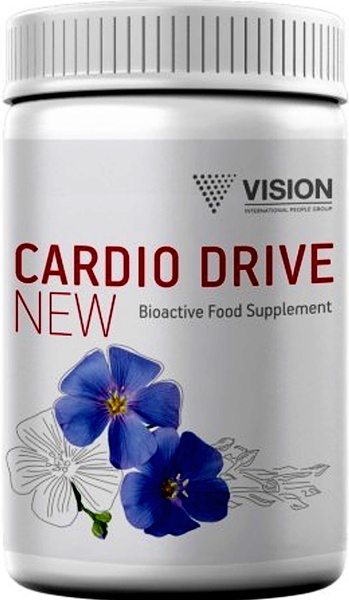
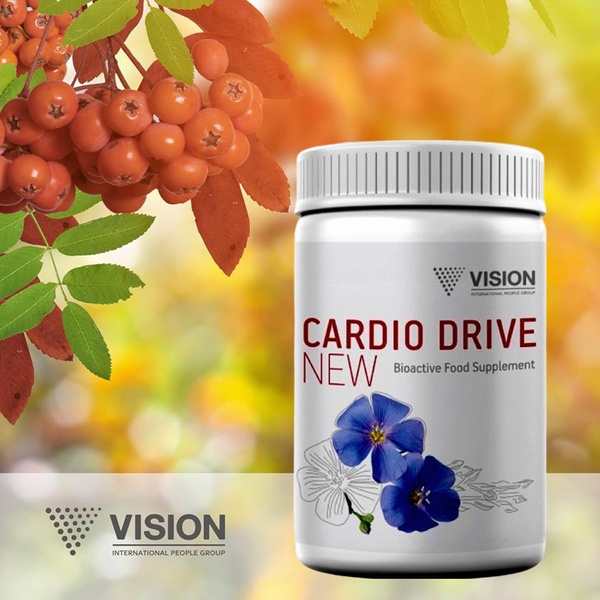
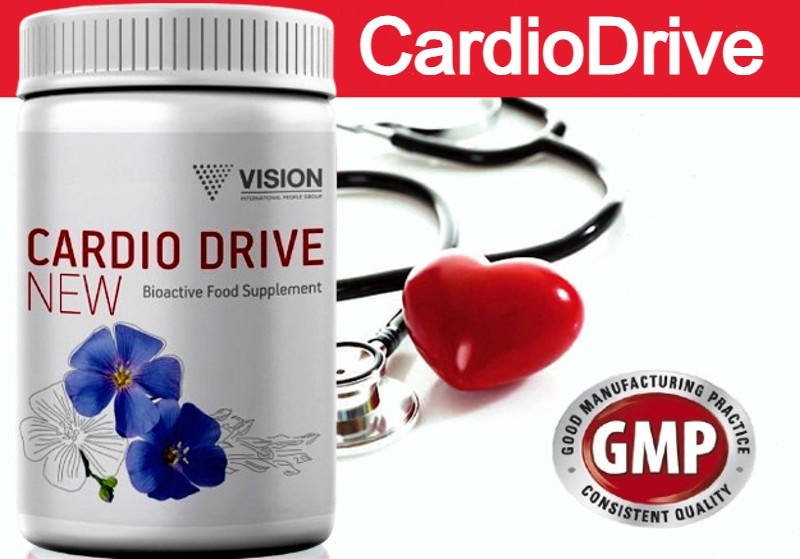
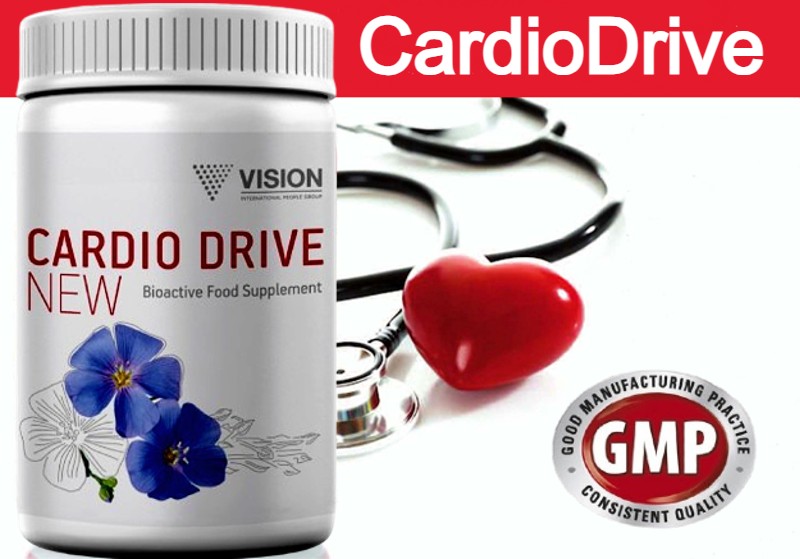
Cardio Drive VISION — is a powerful complex for the cardiovascular system of the body. It effectively counteracts the development of atherosclerosis, improves blood circulation and normal blood coagulation.
CardioDrive — an excellent preventive agent for the heart and cardiovascular system, promoting long-term stable functioning. Reduces the level of ‘bad’ cholesterol and fills the body with vital substances.
CardioDrive VISION normalises blood pressure, regulates heart rhythm, strengthens blood vessel walls and minimises inflammation, eliminating the most common factors in the development of cardiovascular disease.
Properties of the complex CardioDrive:
- Regulates heart rate.
- Improves blood circulation.
- Strengthens blood vessel walls and vein valves, ensures their strength and elasticity.
- Thins blood and reduces the likelihood of blood clots.
- Reduces inflammation in the blood vessels and throughout the body.
- Improves the functioning of the heart muscle.
- Normalises blood pressure — both high and low.
- Has a calming effect on the central nervous system.
- Provides optimal conditions for brain function.
- Normalises the level of cholesterol and triglycerides in the blood.
- Eliminates the causes that cause atherosclerosis.
- Supplies the heart muscle with energy and necessary substances.
- Improves the lipid composition of the blood.
- Is a strong antioxidant.
- Strengthens the immune system.
- Improves digestion.
- Cleanses the body and protects the liver.
- Normalises metabolism in the body.
- Prevents the development of Alzheimer's disease and Parkinson's syndrome.
- Slows down the aging process of cells.
- Helps control normal blood sugar levels.
- Provides nutrition for joints, elasticity of ligaments, skin, hair.
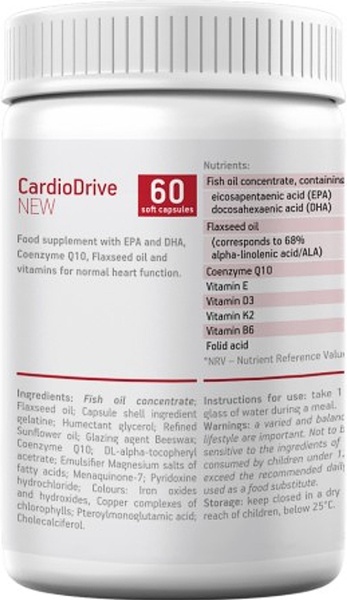
Recommended as a dietary supplement — a source of polyunsaturated fatty acids Omega-3 (eicosapentaenoic, alpha-linolenic and docosahexaenoic acids), coenzyme Q10, an additional source of vitamin E, K2, D3, B6 and folic acid.
*Dietary supplements are not a substitute for a balanced and balanced diet.
*Not a medicinal product.
FISH OIL is recommended for: people who consume foods high in fat and suffer from excessive nutrient content in the body; people suffering from high blood lipid levels, hypertension and other cardiovascular diseases; people who regularly experience cold and numbness in the extremities. Fish oil is able to remove ‘slags’ from the blood vessels, solve the problem of blockage of blood vessels, provide prevention of cardiovascular diseases. Therefore, fish oil is called a ‘blood vessel cleaner’. It cleanses the blood from excess cholesterol and triglycerides, reduces blood viscosity, improves the permeability of blood vessels. Thanks to fish oil increases the elasticity of blood vessels (which in turn reduces the risk of heart attack and stroke), reduces inflammation in the vascular walls, normalises blood pressure, maintains joint health, strengthens the immune system (increases the body's resistance to infection), improves the central nervous system and brain, slows down the aging process, improves mental and emotional state, disappears depression, irritability and fatigue. Omega-3 is directly involved in cell regeneration and regulation of the interconnection between neurons. Lack of Omega-3 in the human body leads to aging of the brain.
The natural fish oil concentrate used in these soft capsules is manufactured under strict international GMP quality standards. According to tests, CardioDrive does not contain potentially harmful levels of contaminants. The fatty acids DHA (docosahexaenoic acid) and EPA (eicosapentaenoic acid) are key to the structure of each of your cell walls. They are also a source of energy and help your heart, lungs, blood vessels and immune system work properly.
DOCOSAHEXAENOIC ACID (DHA) prevents the development of cardiovascular diseases, stimulates metabolism and regulates the emotional background. DHA is able to dilate blood vessels, increasing blood flow to organs and tissues and preventing arterial hypertension. This has a positive effect on the heart and prevents arrhythmias, reduces the risk of atherosclerosis, coronary heart disease, myocardial infarction, stroke. Omega-3 is a part of nerve cells and also participates in the metabolism of the nervous system, thus it contributes to a more efficient conduction of the nerve impulse. This means that this acid normalises the brain and nervous system as a whole. Docosahexaenoic acid also regulates the amount of serotonin, which is responsible for mood. This helps to reduce the risk of depression. An adequate supply of DHA is a prerequisite for intellectual development: it is assimilated by neuronal membranes, ensures the transmission of impulses between neurons and improves the function of receptors on neuronal membranes. It plays an important role in neurogenesis, neurotransmission, protection against oxidative stress and neuroprotection. Omega-3s also improve blood viscosity, increase good cholesterol and strengthen blood vessel walls. All of these can prevent many risks of serious cardiovascular disease. Omegas can help normalise blood pressure and speed up recovery from heart disease.
EICOSAPENTAENOIC ACID (EPA) strengthens the immune system by increasing the body's antioxidant properties. Like DHA, EPA promotes normal nervous system function and reduces symptoms of depression. Known primarily for its hormone-regulating, cholesterol-lowering, and blood-clotting properties. It has an anti-inflammatory effect on the entire body. Eicosapentaenoic acid lowers blood triglyceride levels and blood pressure, reduces the risk of blood clots, improves arterial health and reduces arterial plaques that narrow arteries and cause heart disease. EPA is a U.S. FDA-approved prescription drug for lowering triglyceride levels. As a supplement, people most commonly use EPA to treat heart disease, heart attack prevention, and depression. It is also used to treat side effects associated with chemotherapy, diabetes, recovery from surgery, and for many other purposes. EPA is a regulator of gastric juice secretion and stimulates bile production. Reduces the risk of cancer. Contributes to the smoothing of wrinkles, the formation of smooth and elastic skin, improves the condition of hair and the appearance of nails. Has a positive effect on female reproductive health, relieves rheumatoid arthritis and Raynaud's syndrome. EPA has also been shown to be beneficial for systemic lupus erythematosus, type 2 diabetes, arrhythmia, obesity, Alzheimer's disease and osteoporosis. Symptoms of EPA deficiency: cardiovascular problems; irritability and constant bad moods; decreased concentration; reproductive system problems; magnifying glass; dry skin; muscle and joint pain.
FLAXSEED OIL is an indispensable product for blood vessels: it makes them more elastic, thins the blood, reduces cholesterol. It helps prevent the development of varicose veins, atherosclerosis, hypertension, reduces the likelihood of blood clots. With regular intake of flax seed oil, a person is less susceptible to the development of arrhythmias, coronary heart disease, heart attack and stroke. Flaxseed oil helps to deal with chronic headaches and also helps to eliminate fatigue and relieve stress. The ability to normalise the psyche is due to the high content of vitamin B4 in flaxseed oil, which is also called ‘choline’. Contributes to the normalisation of metabolism, strengthening immunity, improving the overall vitality of the body, preventing the formation of gallstones. Provides the correct balance of the hormonal background and has a beneficial effect on the retinal vessels. Flax seed oil helps to reduce symptoms of disease in women during menstruation, and is also used to enhance sexual function in men. In the digestive system, flaxseed oil helps to eliminate colic and constipation, normalises intestinal function. It is useful for ingestion in renal pathologies, with various forms of gastritis and to prevent heartburn. Useful properties of flaxseed oil are due to the high content of unsaturated fatty acids, such as alpha-linolenic (omega-3), which is very important for the heart; linoleic (carboxylic, omega-6), and oleic (omega-9). Flaxseed oil contains significant amounts of tocopherols (vitamin E), folic acid, and estrogen-like phytohormones (lignans).
ALPHA-LINOLENIC ACID (ALA) stabilises blood pressure and cardiovascular function, improves the condition and appearance of skin, hair and nails. Consumption of alpha-linolenic acid may reduce the risk of cardiovascular disease associated with arrhythmias, thrombosis, elevated triglyceride levels, atherosclerosis, high blood pressure, inflammation of blood vessel walls, etc. Alpha-linolenic acid, like other polyunsaturated fatty acids, is an essential component of cell membranes in the human body. This acid has the unique ability to dissolve in both water and fat, which allows it to act in different parts of the cell and protect cellular structures from free radical damage. Together with other omega-3 acids, ALA helps the body manage inflammation. These fatty acids promote eye health, brain function, and nervous system function. They reduce the risk of high cholesterol, stroke, cancer, memory impairment, and heart disease. As for reducing the risk of heart disease, it may possibly reduce blood clot formation. ALA helps keep us young, active and beautiful, stimulates mental performance, strengthens the immune system, and has a powerful antioxidant effect. Plays an important role in the synthesis of hormones and enzymes that regulate the functions of many organs and systems. Contributes to the regulation of fat and protein metabolism. Insufficient amounts of ALA can lead to various problems, such as sensory neuropathy and retinal pathology.
SUNFLOWER OIL favourably affects the cardiovascular system, helps to reduce cholesterol, strengthens the walls of blood vessels, serves as a preventive measure against atherosclerosis, thrombosis, heart attacks and other diseases of blood vessels and heart. Contains a large amount of vitamin E, which is the most important natural antioxidant. It has many health benefits because it contains little saturated fat and is rich in two types of fatty acids — polyunsaturated and monounsaturated. Sunflower oil contains five times more polyunsaturated fatty acids than olive oil. PUFAs include omega-3 and omega-6. They are extremely important for heart function and the cardiovascular system in general, improving blood circulation and lowering blood cholesterol and triglyceride levels. Sunflower oil also contains monounsaturated fatty acids. MUFAs can reduce the risk of cardiovascular disease, increase HDL (‘good’ cholesterol) levels, and reduce inflammation. Has a positive effect on brain function, improving mental performance and memory. Helps to improve the gastrointestinal tract, to cope with constipation, useful in gastritis and peptic ulcers. Unrefined sunflower oil is recommended for use in arthritis, rheumatism and gout, has a positive effect on the endocrine and genitourinary systems. It is recommended to include it in the diet of children.
COENZYME Q10 slows down the aging process, preserves youthful skin, strengthens heart muscle and blood vessels, normalises blood pressure and improves blood circulation. CoQ10 can also lower blood cholesterol levels and prevent oxidative stress associated with cardiovascular disease. Cellular longevity, and therefore health, youthfulness and normal functioning of all organs, depends on it. Coenzyme Q10 is responsible for the formation of molecules that are the most important energy carriers in the body. These molecules, which are most needed by our heart, liver, brain and lungs, must be constantly replenished, and ubiquinone can keep these molecules at the necessary levels. One of the key benefits of coenzyme Q10 is its antioxidant properties. Coenzyme Q10 helps to protect cells from the action of free radicals, which can damage DNA, proteins and lipids in cells and are a major cause of gradual aging in the body. This is due to its ability to neutralise free radicals and prevent oxidative stress. Oxidative stress can be linked to various diseases including cardiovascular disease, cancer, diabetes, and aging. Therefore, using coenzyme Q10 as a supplement or through nutrition can help improve overall health and protect cells from damage. For women, coenzyme Q10 is the elixir that keeps them beautiful and prevents aging for a long time. The skin stays firm and elastic, and wrinkles are smoothed out. Coenzyme Q10 is an endogenous substance, that is, it is produced by the body itself. However, as we age, the production of this coenzyme may decrease. Thus, elderly people may experience a deficiency of this compound. Therefore, some people may need to take additional coenzyme Q10 in the form of supplements.
VITAMIN E is a powerful antioxidant that slows down the aging process. Tocopherol affects blood coagulation, helping to prevent the formation of blood clots, increases the elasticity of large and small vessels. It has been found that vitamin E is able to inhibit the activity of enzymes that are responsible for the synthesis of cholesterol, prevent the formation of atherosclerotic plaques and improve the condition of the vascular wall. In addition, vitamin E also stops the excessive formation of muscle cells in damaged arteries, which is important for the prevention of heart disease. A number of researchers point out the neuroprotective properties of vitamin E. It is noted that taking tocopherol supplements helps to preserve the structure and function of nerve cells, attenuate the neurotoxic effects of synthetic drugs and improve cognitive function. The neuroprotective properties of tocopherol are confirmed by research results. For example, an experiment showed that chronic sleep deprivation impairs short- and long-term memory, while vitamin E administration helps prevent this effect. Vitamin E rejuvenates internal organs, has a strong antibacterial effect, strengthens the immune and nervous systems, normalises hematopoietic organs, improves the function of sebaceous glands and regulates the energy balance in the body. It also promotes the absorption of nutrients such as vitamin D and protects vitamin A from being destroyed in the body. Vitamin E improves skin and hair nutrition, reduces dryness and strengthens nails. It protects skin cells and stimulates the formation of proteins responsible for skin regeneration, thus fighting premature ageing.
VITAMIN K2 plays an important role in cardiovascular health through regulation of calcium homeostasis. Adequate intake of vitamin K2 has been found to reduce the risk of vascular damage because it activates matrix Gla protein (MGP), which suppresses calcium deposition in blood vessel walls. In its inactive form, this protein is associated with various markers of cardiovascular disease, including increased arterial stiffness, vessel and valve calcification, insulin resistance, and heart failure rates, which ultimately increase cardiovascular mortality. Increased vitamin K2 intake may reduce arterial stiffness, slow the progression of vascular and valve calcification, reduce the incidence of diabetes and coronary heart disease, and reduce cardiovascular mortality. Studies have shown a strong association between vitamin K2 deficiency (measured by inactive plasma MGP) and arterial stiffness, vascular and valve calcification, heart failure and cardiovascular mortality. Vitamin K2 is vital for blood clotting in the body, stopping bleeding and wound healing. It promotes the production in the liver and activation of clotting factors, anticoagulant proteins, including the formation of active forms of thrombin and thromboplastin. Vitamin K2 provides regulation of disturbed calcification, prevention of bone fractures — through the production of osteocalcin by osteoblasts. Vitamin K2 is also the good passage of nerve signals between cells, as menaquinones take part in the binding of sphingolipids of the nervous tissue. They also prevent negative age-related changes in nerve tissue. Today it is also proven that without K2 it is impossible to renew the cells of the heart muscle and lungs, and the normal functioning of the immune system.
VITAMIN D3 is directly involved in the formation of innate immunity, promotes proper calcium absorption and the formation of sufficient bone tissue, regulates the level of phosphorus in the blood plasma. Sufficient D3 in the diet or taking supplements is a good way to lower blood pressure, cholesterol, and protect blood vessels from calcification. Vitamin D has been shown to improve the inner wall of blood vessels, keeping it young, prevent vascular and myocardial remodelling, has a beneficial effect on blood pressure, reduces the risk of atherosclerosis, helps reduce the risk of left ventricular hypertrophy, slows fibrosis, reduces insulin resistance, and also affects immunity and reduces inflammation. The researchers paid special attention to the effect of vitamin D on renin-angiotensins. Blocking vitamin D receptors invariably leads to increased plasma renin activity and, as a result, increased blood pressure. Vitamin D3 helps to improve the function of the endothelium — the inner layer of blood vessels, which affects their elasticity and tone. This helps prevent the formation of atherosclerotic plaques and improves overall vascular health. Cholecalciferol has a positive effect on the electrolyte balance in the body, which is important for normal heart function. It helps regulate calcium and magnesium levels, which affects the heart rhythm and prevents the development of arrhythmias. Vitamin D3 is known for its anti-inflammatory properties. Inflammatory processes can damage blood vessels and the heart, contributing to various diseases.
VITAMIN B6 is used primarily as a stimulant in metabolism. It is a coenzyme of proteins, which participate in the processing of amino acids and regulate protein digestion. Pyridoxine is involved in the production of blood cells and their colouring pigment, haemoglobin, and participates in the even supply of glucose to cells. Due to its involvement in the production of red blood cells, vitamin B6 may be useful in the prevention and therapy of anaemia caused by low haemoglobin, a protein that delivers oxygen to cells. As a result of cells not receiving the right amount of oxygen, a person tires quickly, becomes weak and lethargic. Due to the normal distribution of glucose pyridoxine has a positive effect on the nervous system and increases efficiency, is necessary for the production of neurotransmitters serotonin and noradrenaline, the formation of myelin. Takes part in the metabolism of fats and reduces the level of cholesterol and triglycerides in the blood. Vitamin B6 maintains the balance of potassium and sodium in all fluids in the body, which is very important for the normal functioning of the nervous system, memory and brain function. People prone to heart and vascular disease need a large amount of pyridoxine: it prevents blood from clotting, prevents the development of atherosclerosis, heart attack and stroke, normalises blood pressure. Vitamin B6 plays an important role in protecting the body from oxidative stress. It acts as a cofactor for many enzymes that participate in the processes of antioxidant defence of the body. It promotes the activation of these enzymes, such as glutathione peroxidase and superoxide dismutase, which play a key role in neutralising free radicals and preventing their harmful effects on cells. In addition, vitamin B6 promotes the formation of glutathione, a powerful antioxidant that is involved in the regeneration of other antioxidants such as vitamin C and vitamin E. Glutathione also plays a role in detoxifying the body from toxic compounds and protecting cells from damage. Vitamin B6 also helps to reduce the oxidised forms of other antioxidant vitamins, including vitamin C and tocopherol (vitamin E), into their active forms, which increases their effectiveness in neutralising free radicals. It also regulates homocysteine levels to avoid the most common heart diseases (formation of atherosclerotic plaques, damage to vascular walls).
FOLIC ACID (Vitamin B9) is important for the production of genetic material (DNA, RNA) and amino acids necessary for cell growth. In hypovitaminosis, DNA synthesis slows down and abnormal DNA appears, which can easily break down due to the replacement of thymine nucleotides with uridine nucleotides. In such a disorder, the cells and tissues that are frequently renewed — blood and epithelium — are primarily affected, which determines the symptoms of folic acid hypovitaminosis. Megaloblastic anaemia develops, which is manifested by pallor, weakness, fatigue, atypical cells are seen in blood tests. In addition, the number of other blood elements — platelets and leukocytes — decreases and their abnormal forms appear. Folic acid has a beneficial effect on the nervous system and therefore on our mood and performance. Vitamin B9 is involved in the formation of red blood cells, in the work of the immune system, in the process of wound healing. This element counteracts the accumulation of excessive amounts of homocysteine, which contributes to the accumulation of cholesterol and destructive effect on blood vessels. An overabundance of homocysteine can also cause atherosclerosis, heart failure, thrombosis and stroke. Folic acid helps regulate homocysteine metabolism and maintains normal levels. In addition, folic acid plays an important role in metabolic processes in the body. It is involved in the production of adrenaline, amino acids, protein and other important elements. It is also involved in the production of serotonin and contributes to the health of the nervous system and brain. Sufficient folic acid can reduce the risk of Alzheimer's disease, dementia and other cognitive disorders. Also note that folic acid helps control blood sugar levels and reduce the side effects of some medications. Folic acid deficiency is one of the most common types of avitaminosis. According to statistics, even in the most favourable regions, deficiency of the vitamin is detected in every fifth inhabitant. The first signs of lack of substance are nonspecific — fatigue, lack of appetite, unreasonable irritability. However, if you do not take measures to eliminate avitaminosis in time, after a few months, the physical and mental state of a person can significantly deteriorate.
Who should take Cardio Drive:
- Anyone who has cardiovascular disease;
- People with high or low blood pressure;
- Those with elevated cholesterol levels;
- People with a predisposition to heart disease for prevention;
- Anyone who is health conscious and understands the importance of preventing disease;
- Everyone to improve endurance and tolerance to physical activity;
- People with metabolic disorders;
- Those who drink alcohol and smoke and are therefore at risk.
Directions for use:
Adults take one capsule in the morning, drinking a large glass of water. If necessary, you can take two capsules a day.
Contraindications:
Individual intolerance to the components of the product.
Storage:
Store at room temperature (not exceeding 25°C) in a dry place out of reach of children.
Form of release:
60 capsules.
Composition of CardioDrive VISION:
| Ingredients | 1 capsule | %NRV* |
| Fish oil concentrate, containing: | 250 mg | ** |
| — eicosapentaenoic acid (EPA) | 82 mg | ** |
| — docosahexaenoic acid (DHA) | 55 mg | ** |
| Flaxseed oil: | 200 mg | ** |
| — corresponds to 68% of alpha-linolenic acid (ALA) | ** | |
| Purified Sunflower oil | ** | |
| Coenzyme Q10 | 30 mg | ** |
| Vitamin E | 12 mg | 100 |
| Vitamin K2 | 50 µg | 66 |
| Vitamin D3 | 5 µg | 100 |
| Vitamin B6 | 1,4 mg | 100 |
| Folic acid | 200 µg | 100 |
*NRV: Nutrient Reference Value, %
**Daily dosage not specified