



















|
Quantity
|
Out of stock
|
||
|
|
|||
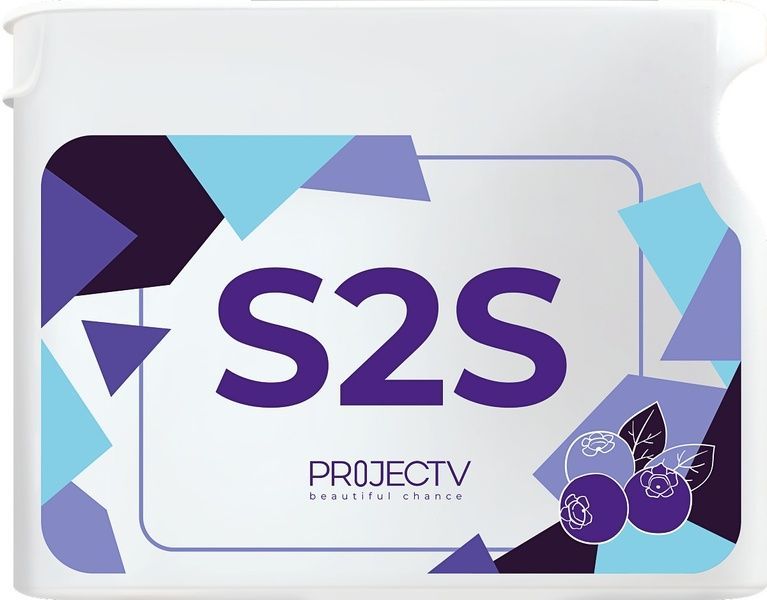
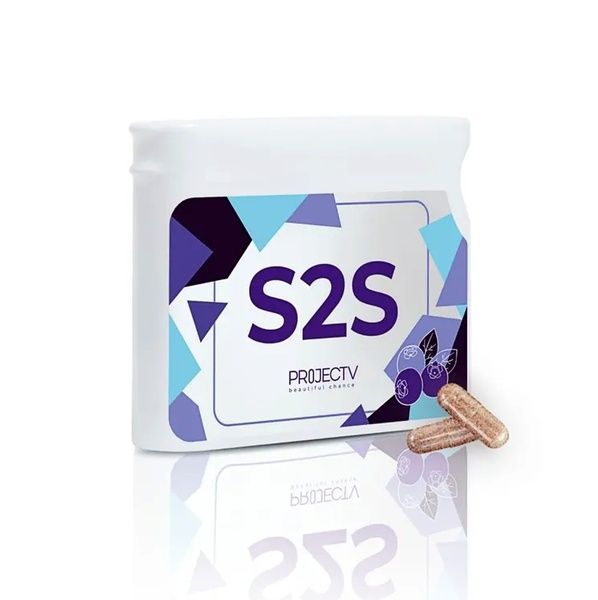
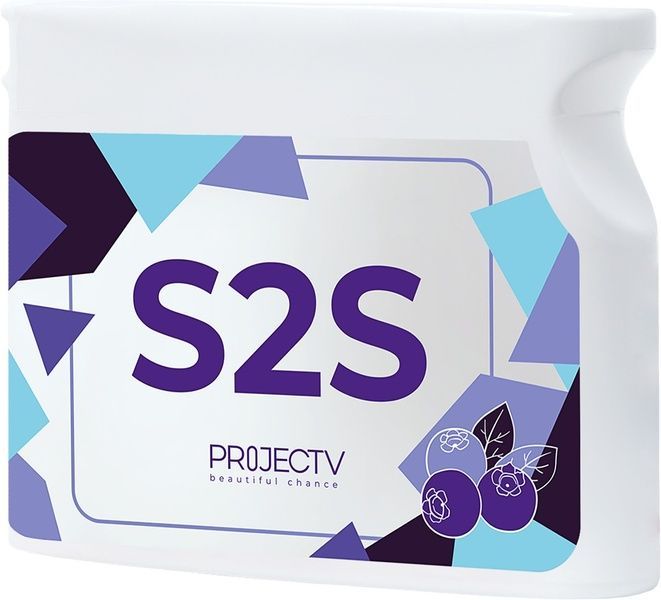
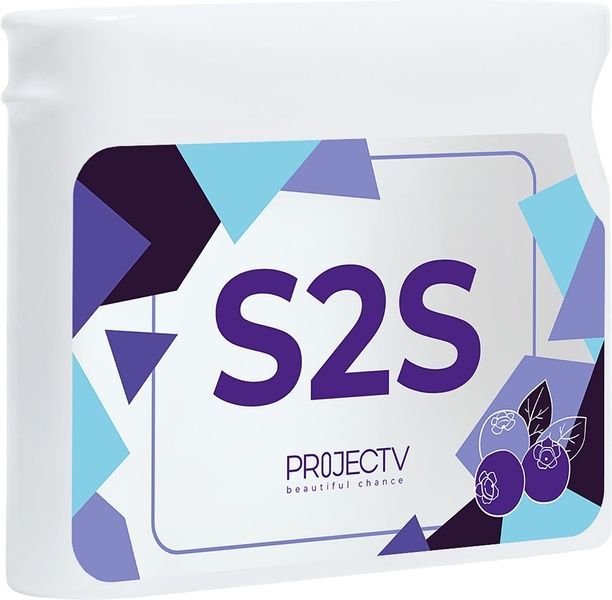
“S2S” (Safe-to-see VISION) — support for visual acuity and antioxidant protection for the eyes.
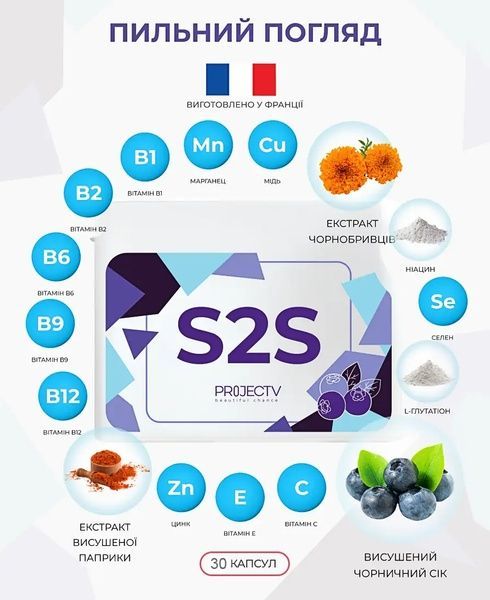
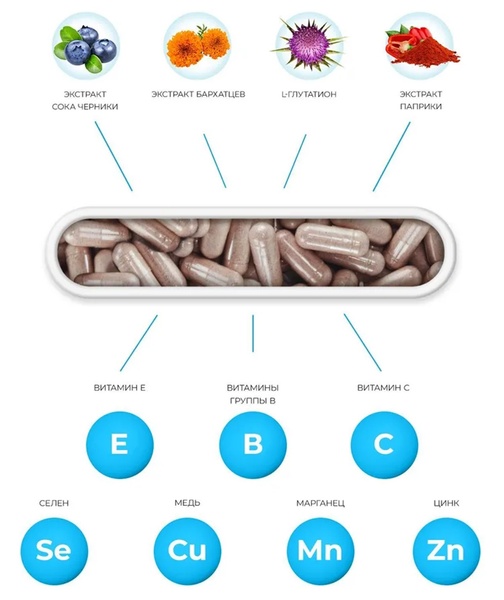
In today’s world, where our eyes are constantly exposed to screens, dry air, and artificial lighting, “S2S” (Safe-to-see) has been developed as reliable daily protection for your vision. Its advanced formula combines carotenoids lutein and zeaxanthin, bilberry extract (Vaccinium myrtillus), vitamins C, E and the B-complex, along with zinc, copper, manganese and selenium, to strengthen the visual system, enhance its resistance to eye strain, and reduce fatigue.
Regular use of the complex helps improve visual clarity, relieve dryness, redness and that gritty sensation often caused by long hours in front of computers or smartphones. Thanks to the synergy of antioxidants and natural extracts, “S2S” supports healthy blood circulation in the retina and helps prevent age-related eye changes.
At the heart of the “S2S” formula are lutein and zeaxanthin, natural pigments derived from marigold and paprika extracts. These carotenoids form the macular pigment, which filters harmful ultraviolet light and protects the retina from photo-oxidative stress — helping preserve clear, healthy vision throughout life. Importantly, lutein and zeaxanthin work synergistically: lutein protects retinal cells from oxidative damage, while zeaxanthin improves nutrient exchange and cellular metabolism within the retina. Together they enhance each other’s antioxidant activity, neutralise free radicals, and help prevent lens opacity, maintaining the eye’s natural sharpness.
The formula also includes bilberry extract (Vaccinium myrtillus), rich in anthocyanins that support night (twilight) vision, strengthen the capillary network of the eyes, and promote the regeneration of retinal cells. Bilberry helps improve visual perception, especially in those experiencing visual fatigue or reduced sharpness. Its active compounds exhibit strong anti-inflammatory and antioxidant properties, helping to reinforce vascular walls and maintain optimal microcirculation.
L-glutathione, another key component, provides deep cellular detoxification by removing toxins, heavy metals and free radicals. It helps prevent lens clouding and the development of cataracts, offering potent antioxidant protection for the eye’s crystalline lens and contributing to the prevention of age-related vision decline.
Vitamins C, E and Selenium act as powerful bio-antioxidants that maintain cellular integrity, strengthen blood vessels and protect the visual system from oxidative stress. Combined with lutein and zeaxanthin, they help slow the progression of age-related macular degeneration and vision loss.
B-group vitamins (B1, B2, B3, B6, B9, B12) support nerve conduction and nourish the optic nerve, helping the eyes recover more quickly after strain. They protect the eye’s mucous membrane from inflammation and the damaging effects of blue-light exposure, reduce light sensitivity and tension, and provide a natural calming effect — keeping eyes comfortable even during long hours of computer work or under bright artificial lighting.
Copper, Zinc, Manganese and Selenium contribute to the metabolism of retinal cells, stimulate collagen synthesis in the vascular walls and improve microcirculation. Their clinically proven antioxidant properties help protect ocular tissues from oxidative damage.
A special role is played by vitamin PP (niacin) — it dilates small blood vessels, relieves eye fatigue and improves blood flow to the optic nerve, helping maintain visual clarity even under heavy eye strain. By enhancing microcirculation, niacin ensures better oxygen and nutrient delivery to the eye tissues.
“S2S” (Safe-to-see VISION) is far more than just eye vitamins — it’s a comprehensive antioxidant complex that cares for your vision, circulation and cellular renewal, suitable for people of all ages — from office professionals to drivers, and for anyone who wants to preserve clear, sharp eyesight for years to come.
Properties of the “S2S” (Safe-to-see) complex:
- Helps strengthen the visual system and maintain clear eyesight at any age.
- Reduces the risk of visual impairments (myopia, hyperopia, age-related macular degeneration).
- Improves visual acuity and slows down age-related vision decline.
- Enhances adaptation to twilight and darkness, especially for drivers and computer users.
- Protects the retina from the harmful effects of blue light, UV radiation and free radicals.
- Has antioxidant and anti-inflammatory properties, neutralising oxidative stress in eye tissues.
- Supports microcirculation and blood flow in the retina, improving oxygen and nutrient delivery.
- Strengthens eye blood vessels and capillaries, improving the elasticity of vascular cell membranes.
- Supports lens health, preventing clouding and the development of cataracts.
- Reduces eye fatigue after long periods of screen exposure or bright lighting.
- Helps relieve dryness, burning, redness and the sensation of “grittiness” in the eyes.
- Improves optic nerve nutrition and supports the transmission of nerve impulses between cells.
- Normalises intraocular pressure and supports stable functioning of the visual apparatus.
- Stimulates cellular renewal and regeneration of retinal tissues.
- Improves cerebral circulation and cognitive processes related to concentration and vision.
- Maintains antioxidant balance in cells, strengthening natural protection against ageing.
- Supports the immune, nervous and cardiovascular systems, promoting overall well-being.
- Enriches the body with essential vitamins and minerals — C, E, B-group, zinc, copper, manganese and selenium.
- Enhances eye brightness, restoring the natural shine and freshness of the eyes.
- Provides effective prevention of age-related vision decline, cataracts, dry-eye syndrome and fatigue.
Recommended as a dietary supplement — a source of lutein, zeaxanthin, anthocyanins and L-glutathione, as well as an additional source of vitamins C, E, B1, B2, B3 (niacin), B6, B9 (folic acid), B12 and minerals (zinc, copper, manganese, selenium).
*Food supplements are not a substitute for a balanced and varied diet.
*Not a medicinal product.
CONCENTRATED SPRAY-DRIED BILBERRY JUICE is a highly concentrated natural extract obtained through spray drying of pure Vaccinium myrtillus berry juice. It contains a powerful dose of anthocyanins, flavonoids, tannins and other bioflavonoids that provide multi-level support to the body.
In terms of vision, this extract acts as a natural “partner” to lutein and zeaxanthin — it accelerates retinal regeneration, supports cellular renewal, strengthens capillaries and promotes efficient blood supply to retinal tissues. As a result, it helps reduce eye fatigue, especially after long hours in front of screens or under artificial lighting.
Bilberry anthocyanins have strong antioxidant properties, neutralising free radicals that damage eye, vascular and nerve cells. They also show anti-inflammatory effects, helping to reduce chronic oxidative stress and maintain the structural integrity of cell membranes.
For the vascular and cardiovascular systems, bilberry extract helps reduce oxidative damage to the endothelium, supports elasticity of blood vessel walls and may help lower “bad” cholesterol (LDL) and inflammatory markers.
In the brain and nervous system, bilberry bioflavonoids stimulate microcirculation, support tissue oxygenation and improve nerve impulse transmission. Some studies indicate that anthocyanins can enhance cognitive performance, improve cerebral blood flow and protect neurons from oxidative stress.
In addition, bilberry extract promotes cellular renewal and protection, helps maintain antioxidant balance in cells and strengthens the body’s natural detoxification mechanisms. It also supports the immune system, as antioxidants and flavonoids reduce inflammation and boost the body’s defence responses.
Ultimately, concentrated spray-dried bilberry juice is not just an “additional ingredient” but a vital source of nutrient support for:
- eyes and the visual system (retinal regeneration, reduced fatigue, blue-light protection);
- blood vessels (elasticity, antioxidant defence, microcirculation);
- brain and nervous system (blood flow, signal transmission, neuroprotection);
- cellular health (antioxidant balance, membrane protection, renewal);
- immunity and overall vitality.
MARIGOLD EXTRACT (natural extract from Tagetes flowers) is a valuable source of carotenoids (lutein and zeaxanthin), flavonoids, rutin and other bioflavonoids. This extract combines antioxidant, anti-inflammatory and vascular-protective properties.
For visual health, marigold extract acts as an invisible shield — it strengthens the macular pigment, protects the retina from light-induced damage and supports the cellular structure of retinal tissues. Thanks to lutein and zeaxanthin, which concentrate in the macula, the extract helps filter blue light and reduce photo-oxidative stress. This effect is especially beneficial for those who spend long hours in front of screens or under bright artificial lighting.
In addition, marigold extract supports the vascular system. Due to its rutin content, it helps reduce capillary fragility, improve elasticity and counteract microcirculatory disorders, inflammation and oxidative stress in blood vessel walls. As a result, blood flow to the eyes, brain and other tissues is improved.
In the brain and nervous system, the carotenoids and bioflavonoids in marigolds enhance oxygenation and blood supply to neurons, support nerve impulse transmission and promote neuroprotection. Research shows that lutein and zeaxanthin may benefit cognitive function and help reduce oxidative damage to neurons.
The extract also supports cellular renewal and maintains antioxidant balance within cells — it protects cell membranes, stimulates antioxidant systems (glutathione, superoxide dismutase (SOD) enzymes, etc.) and enhances the body’s natural detoxification mechanisms.
Furthermore, marigold extract contributes to immune health by helping to reduce chronic inflammation and supporting immune cell activity.
Overall, this component in “S2S” is not just an “auxiliary ingredient” but a vital nutrient for:
- eyes and retina (protection from light stress, macular pigment support, reduced fatigue),
- blood vessels (capillary stability, improved microcirculation),
- brain and nervous system (blood flow, neuroprotection),
- cellular health (antioxidant balance, membrane renewal),
- immunity (anti-inflammatory support).
PAPRIKA EXTRACT is a true “sunshine” support for your eyes and overall wellbeing. This extract contains both fat- and water-soluble carotenoid pigments, carotene (provitamin A), and zeaxanthin — the key pigment concentrated in the retina that ensures clear, sharp vision. Studies confirm that paprika provides significant amounts of lutein and zeaxanthin, both essential for eye health.
Paprika extract acts as a natural “sunblock” for the eyes — zeaxanthin and carotenoids help filter blue light from screens and artificial lighting, reducing photo-oxidative stress in the retina. As a result, the feeling of “tired eyes” after long hours at the computer may diminish, while visual sharpness and contrast improve.
The carotenoids, vitamin A, and fatty acids present in the extract support vascular elasticity, enhance capillary circulation, and help reduce fragility. This means improved blood flow to the eyes, brain, and heart. Other studies show that zeaxanthin and lutein may also support cognitive functions, improve cerebral circulation, and provide neuroprotection.
Paprika extract has strong antioxidant activity: carotenoids and zeaxanthin neutralise free radicals that damage cellular structures — particularly in the retina, blood vessels, and nerve tissues. It promotes cell regeneration, maintains antioxidant balance, and stimulates the body’s natural detoxification mechanisms.
The fatty acids, vitamin A, and flavonoids found in paprika also benefit the immune and nervous systems by supporting the body’s defences, reducing inflammation, and promoting overall vitality.
Thus, paprika extract in the “S2S” formula is not just “another ingredient” — it’s a multifunctional nutrient support for:
- eyes and vision (blue-light protection, macular pigment support, reduced fatigue);
- blood vessels (elasticity, microcirculation, capillary strength);
- brain and nervous system (blood flow, nerve signalling, neuroprotection);
- cellular health (antioxidant balance, membrane renewal);
- immunity and cardiovascular system (anti-inflammatory and vascular support).
The “S2S” supplement with paprika extract represents a modern approach to maintaining sharp vision, an active mind, and healthy blood vessels for years to come.
LUTEIN and ZEAXANTHIN are two powerful natural carotenoids that form the so-called macular pigment in the retina. They accumulate in the macula (the yellow spot) and play an essential role in filtering ultraviolet and blue light that can damage retinal cells. Thanks to this, lutein and zeaxanthin help maintain healthy vision throughout life.
When the retina maintains optimal levels of these carotenoids, vision becomes clearer, eye fatigue from screen work decreases, contrast improves, and visibility in low light conditions enhances. Their antioxidant properties neutralise free radicals caused by UV, blue light and oxidative stress, protecting the retina, lens and optic nerve.
Since our eyes constantly face screen exposure, bright lighting and stress, while natural protection weakens with age, regular intake of lutein and zeaxanthin through diet or supplements is crucial. Studies show that these carotenoids may slow the progression of age-related macular degeneration (AMD).
In the “S2S” (Safe-to-see) complex, lutein and zeaxanthin act as a protective duo: lutein provides the foundation, while zeaxanthin strengthens and complements it. Their synergy is vital — taking one without the other is less effective.
In summary, lutein and zeaxanthin are essential for maintaining visual health, reducing eye strain, improving contrast, and preserving visual sharpness for years to come.
LUTEIN is a carotenoid that accumulates in the central retina (macula) and the lens. It acts as a natural filter, absorbing harmful blue-violet light and reducing photo-oxidative stress that can damage eye cells. With age, lutein levels decline, increasing the risk of macular degeneration and cataracts. Adequate intake helps prevent these changes.
One of the key tasks of lutein is to support the antioxidant protection of eye cells. It helps neutralise free radicals and protects the membranes of retinal and lens cells from oxidative damage. In addition, lutein helps increase macular pigment density, which has a positive effect on visual acuity and contrast sensitivity.
For people whose work involves long hours in front of screens, bright lighting, driving at night, or who are already experiencing vision loss, lutein is particularly important. It helps reduce eye fatigue, improves adaptation to darkness, and helps you see more clearly in changing light conditions.
It is also worth noting that lutein is not produced by the body — it must be consumed daily through food or supplements. In “S2S”, it is obtained in the form of lutein ester (a form of lutein in the form of a fatty acid ester found in yellow and orange fruits). Repeated studies conducted by Phyllis Bowen and colleagues at the University of Illinois (Chicago, USA) have confirmed that lutein ester has high bioavailability in humans. In addition, the results of this study show that the hydrolysis of lutein ester is 61.6% better than that of free lutein.
In short, lutein is a key nutrient for vision that helps maintain visual acuity, contrast and stability, especially under stress and age-related changes.
ZEAXANTHIN is a carotenoid and an isomer of lutein that also accumulates in the macula. It plays a key role in maintaining clear vision, especially under dim or changing light and visual strain.
One of the key functions of zeaxanthin is to support intercellular metabolism in the retina, which means better delivery of nutrients and oxygen to cells, as well as effective removal of metabolic waste products. Thanks to this, it complements and strengthens the action of lutein. In combination with it, zeaxanthin forms a powerful protection for the visual apparatus.
Studies show that high levels of zeaxanthin in the macula are associated with better vision, especially contrast sensitivity and dark adaptation. Zeaxanthin also helps reduce symptoms of digital eye strain caused by screen exposure, reducing light sensitivity, burning or redness. The antioxidant properties of zeaxanthin allow it to neutralise free radicals in the retina, protecting the lens and retina from oxidative damage and the development of cataracts or age-related changes.
It is particularly important that zeaxanthin is not just an ‘addition to lutein.’ It has a unique effect that strengthens the entire vision protection system: together with lutein, it forms a macular pigment that effectively absorbs blue light and supports the structure of eye tissues. For people who lead an active lifestyle, work in front of screens, drive at night or simply want to maintain clear and comfortable vision for many years to come, zeaxanthin is a key component.
In “S2S”, zeaxanthin is present in the form of zeaxanthin ester, which ensures effective absorption and action.
In summary, zeaxanthin is the ‘co-pilot’ paired with lutein, which enhances the protection of the visual system, reduces eye fatigue, improves visibility and supports the health of the eyes, blood vessels, brain and cells.
L-GLUTATHIONE is an almost universal protector of your eyes and visual system. This amino acid is present in every cell and has powerful antioxidant properties — it helps remove toxins, heavy metals and free radicals that can damage the retina, lens and optic nerve. In the eye, low glutathione levels are linked with oxidative stress, cataract development and visual decline. For your eyesight, maintaining optimal glutathione levels is not just a “bonus”, but real protection against age-related changes, support for macular pigment, reduced risk of photodamage and faster recovery of ocular tissues after strain.
When it comes to blood vessels, the brain, the nervous system and cellular renewal — L-glutathione also plays a vital role. It supports the body’s natural self-defence systems by maintaining antioxidant balance within cells and activating enzymes that neutralise free radicals, helping stabilise vascular function. In the retina, low glutathione levels are often seen in glaucoma and field-of-vision disorders. Adequate glutathione means better blood supply to ocular tissues, more stable nourishment for neurons and stronger protection against oxidative and physical stress.
The inclusion of L-glutathione in the “S2S” formula means that your vision receives powerful support not only from vitamins and carotenoids, but also from a comprehensive cellular defence strategy. Glutathione helps retinal cells recover from exposure to screens, artificial lighting, smoking or environmental stress, and supports the nervous and immune systems, which indirectly affect the brain, optic nerve and visual function. Calibrated nutrition for these systems is a modern approach to maintaining sharpness and comfort of vision for many years to come.
VITAMIN C is a key antioxidant for healthy eyes and clear vision. It is concentrated in the aqueous humour and ocular tissues, helping neutralise free radicals from UV and blue light, reducing oxidative stress in the retina and lens. Regular vitamin C intake strengthens collagen fibres, improves microcirculation, reduces capillary fragility and enhances elasticity. Combined with lutein and zeaxanthin, it boosts the macular antioxidant “shield”, slows age-related visual decline and reduces cataract risk. Optimal ascorbic acid levels may also improve intraocular fluid outflow and help normalise eye pressure.
For the cardiovascular system, vitamin C supports endothelial tone and blood flow — vital for nourishing the optic nerve and maintaining retinal stability. By participating in collagen synthesis, it strengthens vessel walls in the eyes and brain, improving oxygenation and resilience during visual strain. During long periods of work at a monitor or under bright artificial lighting, this means less redness and dryness, less of a “gritty” feeling in the eyes, and faster restoration of focus clarity.
Vitamin C is also important for cell renewal and immune response. It maintains intracellular antioxidant balance (including the regeneration of reduced vitamin E and the glutathione system), helps the nervous system better tolerate stress and light fluctuations, and helps the cardiovascular system distribute blood more efficiently to the visual structures. When the body experiences a vitamin C deficiency, microcirculation in the eyes deteriorates, the muscles that control eye movements weaken, and resistance to fatigue decreases. That is why vitamin C is part of the core antioxidant support for vision in the “S2S” formula.
VITAMIN E is your inner shield for the eyes. The action of this powerful antioxidant begins in places we cannot see — within the retinal cells, the tiny capillaries of the eye, and the lens, which gradually loses its clarity with age. It helps neutralise harmful free radicals produced by UV light, blue-light radiation, screens, and stress. When cell membranes are saturated with vitamin E, they act like reinforced walls: they retain their structure better, are less prone to oxidation, and this means stronger eyes, a lower risk of cataracts, age-related macular degeneration, and less of that “tired eyes” feeling. It also stimulates the formation of intercellular substances and connective-tissue fibres, which explains its beneficial effects in cases of myopia.
This essential eye vitamin slows the degeneration of the macula, helps prevent corneal opacity, and strengthens capillary walls. When there is enough vitamin E in a cell, its membrane functions as a protective barrier that keeps oxidation under control and reduces cellular damage — effectively preventing harm to the photoreceptors themselves. Vitamin E also helps to lower intraocular pressure, which is a major cause of glaucoma. Vitamins C and E work in synergy, helping to prevent inflammation in the central part of the retina (the macula), which tends to degenerate with age.
This vitamin also plays a key role in the function of the vascular, nervous, and cardiovascular systems. It supports capillary elasticity, improves blood supply to the retina and nerve tissues, and strengthens the connections between cells — from the morphology of the retina to the tissues of the brain. In situations when the eyes are under strain (prolonged screen use, bright artificial lighting, night driving), vitamin E acts like a “repair team”: it helps eye cells recover faster, maintains antioxidant balance, and reduces the impact of damaging factors.
Vitamin E supports natural immunity, strengthens the nervous system and the heart. Thanks to its ability to interact with other antioxidants (for instance, vitamins C and E work together in synergy), it provides genuine systemic support — from protecting the eye’s capillaries to maintaining healthy brain function. In the “S2S” formula, vitamin E is not just an ingredient, but part of a comprehensive strategy to preserve sharp, comfortable vision and overall vitality for many years.
VITAMINS B GROUP (В1, В2, В3, В6, В9, В12) protect the mucous membrane of the eye from inflammation and from the harmful effects of computer radiation. They play an important role in maintaining eye health, help prevent vascular problems, and support better outcomes in the treatment of retinal diseases. These vitamins have a strengthening effect on vision, protect against photophobia, and have a soothing action on tired eyes throughout the day. A deficiency of B-group vitamins may manifest as optic neuritis and, more rarely, keratitis caused by trigeminal nerve damage or paralysis of the ocular muscles. Insufficient levels of B vitamins lead to impaired nourishment of the corneal tissue, which can result in corneal opacity, disturbances of light sensitivity, and problems with twilight vision.
VITAMIN B3 (Niacin), also known as nicotinamide, nicotinic acid or vitamin PP — can help prevent the development of glaucoma, reduce elevated intraocular pressure, and relieve eye fatigue. It dilates small blood vessels (including those in the brain), improves microcirculation, and has a mild anticoagulant effect. For this reason, niacin is successfully used in the treatment of vascular disorders in the eye — it widens the vessels, thereby improving the blood supply to the optic nerve.
Studies on glaucoma progression have shown that with age, people genetically predisposed to this condition experience a decline in the retina’s level of the coenzyme nicotinamide adenine dinucleotide (NAD), which contains niacin in its structure. This coenzyme is essential for energy metabolism, and its reduction can lead to impaired neuronal metabolism, pathological changes within the cells, and accelerated “ageing” of retinal neurons. The body produces NAD from nicotinic acid, and it also exists in the form of nicotinamide — an amide of nicotinic acid, or vitamin B3. Therefore, increasing their levels enhances the resistance of retinal neurons to high intraocular pressure.
Getting an adequate amount of vitamin B3 may thus be an effective way to help prevent vision problems. According to medical experts, niacin may also provide benefits in other neurodegenerative diseases.
VITAMIN B1 (Thiamine) is one of the key “nerve” vitamins that directly influences the function of the optic nerve and the transmission of impulses between the cells of the eye and the brain. Thanks to it, the visual pathways work smoothly, and the eyes react more quickly to changes in lighting. Vitamin B1 supports the proper function of the pupil, helps maintain stable intraocular pressure, and prevents vascular spasms that can affect visual clarity.
An adequate level of thiamine supports energy metabolism within the cells of the retina — this is especially important for preventing eye fatigue and visual disturbances during prolonged screen use or reading. It also plays a role in protecting the optic nerve from ischaemia (oxygen deficiency) and oxidative stress, helping the cells to recover after strain.
When vitamin B1 is deficient, nerve signal transmission deteriorates, the visual field narrows, visual sharpness decreases, and the risk of glaucoma may rise. That is why thiamine is often called the “vitamin of clear vision” — it strengthens neural connections, preserves visual clarity, and supports the healthy functioning of the visual system every day.
VITAMIN B2 (Riboflavin) is true “energy for vision”. It is responsible for colour perception, clarity, and the ability of the eyes to see in the dark. Riboflavin takes part in the function of the light-sensitive receptors in the retina, helping the eyes adapt more quickly to changes in lighting — from bright to dim conditions. Thanks to B2, we can clearly distinguish shades, and the visual system can better withstand long periods of strain, such as working at a computer or under artificial light.
Vitamin B2 strengthens the capillaries of the eyes, supports the health of the pupil, and protects the visual tissues from shortwave radiation and UV rays. It is a key component of visual purple — the pigment responsible for adaptation to darkness and for protecting the retina from light damage. In the lens, riboflavin helps maintain the level of glutathione — a powerful antioxidant that prevents lens clouding and the development of cataracts.
An adequate amount of vitamin B2 reduces eye fatigue, irritation, and the sensation of “grittiness” or burning, helping the eyes recover after visual strain. When riboflavin is deficient, twilight vision deteriorates, sharpness decreases, and inflammatory conditions may occur — conjunctivitis, blepharitis, or photophobia. Riboflavin helps the eyes stay hydrated, clear, and resilient even under heavy load — which is why it is often called the “vitamin of light”.
VITAMIN B6 (Pyridoxine) is the invisible “brain” of vision, helping the eyes stay resilient even during periods of intense work. It supports normal blood circulation in the visual system, nourishes the retina, and maintains the stable function of nerve fibres that transmit signals from the eyes to the brain. Thanks to vitamin B6, the eyes respond better to changes in lighting, experience less fatigue when reading, viewing screens, or working in low-light conditions.
Pyridoxine also plays a role in the protein metabolism of eye cells — particularly in the regeneration of tissues that experience daily strain from tension and external factors. It helps stabilise the retinal nerve cells, prevents excessive eye strain, and reduces the risk of irritation or minor eyelid spasms. When vitamin B6 is deficient, the eyes tire more quickly, dryness and twitching may occur, and the mucous membranes become more prone to inflammation — especially conjunctivitis.
An adequate level of vitamin B6 helps keep the eyes hydrated, calm, and sensitive to detail. It supports the energy balance within visual cells, improves microcirculation, and ensures comfort even after long hours of visual effort.
VITAMIN B9 (Folic Acid) is the “builder” of healthy vision, responsible for nourishing the eyes and maintaining the normal condition of the retina. It takes part in the process of blood formation, supplying the visual system with oxygen and essential nutrients needed for the function of photoreceptors and the maintenance of clear vision. When folic acid is deficient, microcirculation deteriorates, the eye tissues receive less oxygen, leading to dryness, reduced light sensitivity, and a gradual decline in visual sharpness.
Folic acid also plays a key role in the prevention of glaucoma and age-related macular degeneration (AMD) — two of the most common causes of vision loss with age. It helps regulate the level of homocysteine, a compound that, in excess, can damage blood vessels and disrupt retinal circulation. As a result, vitamin B9 supports the elasticity and tone of the blood vessels in the fundus, helps maintain normal intraocular pressure, and improves nourishment of the macula.
In combination with vitamins B6 and B12, folic acid enhances the antioxidant protection of visual cells, reducing the risk of degenerative retinal changes and loss of clarity. Regular intake of vitamin B9 helps the eyes remain healthy and the gaze clear and steady, even with age, when visual cells become more sensitive to strain and light stress.
VITAMIN B12 (Cyanocobalamin) is the “energy conductor” between the eyes and the brain, supporting the health of the optic nerve and the stable function of the nervous system. It ensures proper blood circulation in the eye tissues, nourishes the retina, and facilitates the transmission of impulses from photoreceptors to the brain, resulting in clear, high-contrast vision. Adequate levels of vitamin B12 help the eyes cope better with strain, reduce the risk of ischaemia and oxidative stress, and support the resilience of visual cells when oxygen levels are low.
Cyanocobalamin promotes the renewal of nerve fibres that carry visual signals and helps prevent their degeneration — which is why it is considered essential for the prevention of optic neuropathy, a condition that can lead to vision loss. A deficiency of B12 reduces nourishment to the optic nerve, causing image distortion, eyelid twitching, blurred or dim vision, and reduced colour perception.
Vitamin B12 also contributes to the production of myelin — the protective sheath surrounding nerve cells, which accelerates signal transmission between the eyes and the brain. Its action helps to avoid “blurred vision” after prolonged visual strain, enhances reaction to light and contrast, and aids in the recovery of eye tissues after fatigue. Regular intake of B12 supports the healthy tone of the visual system, clarity of sight, and eye comfort even under heavy strain.
ZINC, COPPER, MANGANESE and SELENIUM — are essential minerals that support eye health by helping to improve visual acuity and protect the eyes from inflammation, such as conjunctivitis. They are components of ocular tissues, cells, and regulatory proteins of the visual system, participating in biochemical processes that ensure its proper function. These elements have clinically proven antioxidant properties and contribute to protecting cellular components from oxidative damage. This helps maintain the health of the eyes, retina, and optic nerve, while also supporting overall cellular regeneration and antioxidant balance within the visual system.
ZINC is one of the key trace elements directly responsible for eye health and visual acuity. The retina contains a high concentration of zinc, and this mineral plays an essential role in converting light entering the eye into nerve signals that the brain interprets as images. Zinc also assists in the absorption of vitamin A and the production of melanin — a pigment that acts as a natural filter, protecting the retina from ultraviolet radiation and photo-oxidative stress.
An adequate amount of zinc helps regenerate retinal cells, supports the health of the macula (the yellow spot), and reduces the risk of age-related macular degeneration — one of the main causes of vision loss in older adults. It also contributes to the prevention of cataracts, helps maintain the lens’s transparency, and promotes faster recovery of ocular tissues after visual strain.
Zinc improves the eyes’ adaptation to darkness, enhances contrast sensitivity, and helps maintain clear vision in low-light conditions. Thanks to its antioxidant properties, this mineral protects retinal cells from damage caused by excess iron or free radicals, preventing degenerative changes and preserving visual clarity for years to come.
COPPER is a trace element often called the “architect of visual cells”. It plays a vital role in energy production, antioxidant protection, and the formation of connective tissue — including collagen, elastin, and melanin, the pigment responsible for the eye’s natural UV defence. Copper helps maintain the strength of ocular blood vessels, the elasticity of capillaries, and stable microcirculation, ensuring that the retina receives sufficient oxygen and nutrients.
A deficiency in copper can lead to a gradual deterioration of vision, weakening of the optic nerve, and increased eye fatigue, especially during prolonged screen work or reading. This microelement is essential for the proper functioning of the nervous system, as it contributes to the transmission of nerve impulses — including those between the retina and the brain. For this reason, copper deficiency may manifest as blurred vision, increased light sensitivity, or slower adaptation to darkness.
Copper also plays a key role in the synthesis of the enzyme superoxide dismutase (SOD), one of the body’s main antioxidants that protect eye cells from oxidative stress. It helps maintain corneal health, prevents vascular fragility, and promotes faster tissue repair after irritation or inflammation. In combination with zinc and selenium, copper strengthens the antioxidant barrier of the visual system, supporting the stability of cell membranes and protecting the eyes from premature ageing.
MANGANESE is a mineral that works quietly but powerfully to support eye health. It is essential for the proper absorption of vitamins C, E, and the entire B group, which are vital for the antioxidant protection of the visual system’s cells. Manganese contributes to the formation of connective tissue, stabilises capillary function, and helps maintain the normal tone of the blood vessels in the retina, ensuring a steady supply of oxygen and nutrients to the eye’s tissues.
This trace element acts as a natural antioxidant — it seeks out and neutralises free radicals, preventing oxidative damage to eye cells and the optic nerve. Manganese also protects cells from excess iron, which can trigger the overproduction of free radicals and contribute to the development of cataracts or degenerative changes in the retina.
Adequate levels of manganese help maintain sharp vision, improve the eyes’ adaptation to darkness, and reduce the risk of age-related disorders such as retinopathy or night blindness. It also plays a key role in the enzymes responsible for metabolism in ocular tissues, supports cell recovery after visual strain, and enhances the effects of other antioxidants. Thanks to manganese, the visual system remains more resilient to stress, while the blood vessels stay flexible and healthy for longer.
SELENIUM is one of the most essential trace elements for maintaining sharp vision and healthy eyes. Its antioxidant and immunomodulatory properties help neutralise free radicals produced by sunlight, toxins, or radiation, protecting the lens and retina from premature ageing. Selenium supports the elasticity of the eye’s blood vessels, improves microcirculation, and helps prevent oxidative damage that can lead to vision deterioration.
This trace element plays a key role in forming antioxidant defence enzymes (such as glutathione peroxidase), which ensure cellular “cleansing” and renewal. Thanks to selenium, eye cells cope better with visual strain, while the retinal tissues recover faster after stress or inflammation. It also supports the stable function of the optic nerve, helps maintain image clarity, and reduces the risk of degenerative changes in the macula.
Adequate levels of selenium increase the eyes’ resistance to ultraviolet light and strain caused by prolonged screen exposure. In combination with vitamins C and E, it creates a powerful antioxidant “shield” that preserves visual sharpness, strengthens blood vessels, and helps prevent cataracts and age-related macular degeneration. This is why selenium is often called a vital “micro-defender” of the visual system, helping your eyes remain healthy and clear even with age.

👁️ Who should take “S2S”:
- Anyone who cares about their eyesight and wants to preserve sharp, healthy vision for years to come. “S2S” is designed for daily eye protection against fatigue, dryness, and irritation caused by screens, stress, and lack of essential micronutrients.
- Those who work or study for long hours in front of a computer, smartphone, or tablet. The complex helps relieve eye strain, improves focus, and reduces the feeling of burning, dryness, or “sand in the eyes” after long visual work.
- Students and young people who read a lot or study under artificial lighting — “S2S” supports the retina, photoreceptors, and adaptation of the eyes to changes in brightness.
- People who notice age-related vision decline. The formula helps maintain macular health, reduces the risk of macular degeneration, cataracts, and glaucoma, keeping your sight clear and sharp with age.
- Those suffering from dry eye syndrome or increased intraocular pressure. Active ingredients in “S2S” improve microcirculation and nutrient delivery to eye tissues, support fluid drainage, and strengthen capillary walls.
- People exposed to pollution, stress, or smoking. “S2S” provides powerful antioxidant protection, neutralising free radicals and slowing down the ageing of ocular cells.
- Everyone who wants to prevent eye diseases such as cataracts, macular degeneration, and retinopathy. The “S2S” complex strengthens the optic nerve, vessels, and cell membranes, supporting natural clarity, focus, and visual comfort.
🌿 Advantages of the “S2S” complex:
- An innovative formula for healthy eyes and clear vision. “S2S” is a scientifically balanced complex containing lutein, zeaxanthin, L-glutathione, blueberry anthocyanins, vitamins C, E, and B-group, as well as zinc, copper, manganese, and selenium. Each ingredient has been carefully selected for its role in protecting the retina, macula, and optic nerve.
- Powerful antioxidant protection. The “S2S” formula acts as a shield against oxidative stress — protecting eye cells from free radicals, slowing the ageing process, and helping maintain lens clarity and vascular elasticity.
- Clinically proven effectiveness. The combination of lutein and zeaxanthin represents the “gold standard” in preventing age-related vision problems. L-glutathione and antioxidant vitamins support macular health, improve contrast sensitivity, and increase tolerance to bright light.
- Contains the recommended daily dose of lutein for adults. In countries where people regularly eat spinach, pumpkin, legumes, and green peas, maintaining this level is easy. However, only a small percentage of adults consume enough carotenoids, and in many cases, they are completely absent from the diet.
- Protection from blue light and UV radiation. “S2S” helps eyes adapt to prolonged screen time, reducing fatigue, dryness, and irritation after using computers or smartphones.
- Improved microcirculation and retinal nourishment. Trace elements such as zinc, copper, manganese, and selenium strengthen blood vessels, improve circulation in eye tissues, prevent capillary fragility, and help maintain stable intraocular pressure.
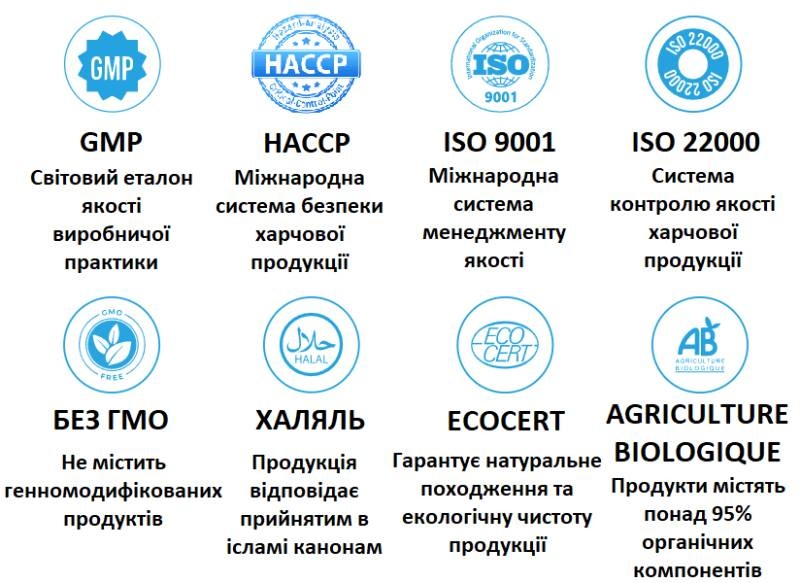
- European manufacturing quality. “S2S” is produced in France according to international GMP, ISO, and HACCP standards, using cryo-grinding technology at -196°C — preserving the maximum bioactivity of each component.
- High bioavailability and natural purity. The complex uses concentrated natural extracts that are quickly absorbed by the body.
- Vegetable capsule — suitable for vegetarians and those following a “clean” diet.
- Safe and clean composition. Contains no artificial colourants, stearates, preservatives, or GMOs. A pure product designed for long-term daily use without compromising health.
- Convenient form and elegant packaging. “S2S” is easy to take with you — the compact format fits perfectly into daily routines, travel, or study.
📋 Directions for use:
Adults: take one capsule once or twice daily with a large glass of water.
🚫 Contraindications:
Individual intolerance to any of the product’s ingredients.
📦 Storage:
Store at room temperature (not exceeding 25°C) in a dry place out of reach of children.
💊 Dosage form:
30 plant-based capsules.
Composition of the “S2S” nutraceutical:
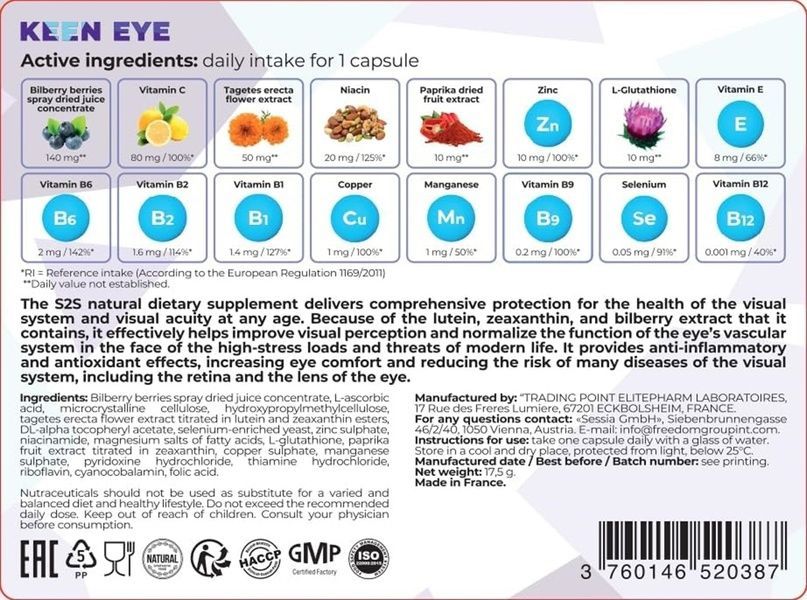
| Ingredients | 1 capsule | %RI* |
| Bilberry berries spray dried juice concentrated | 140 mg | ** |
| Vitamin C | 80 mg | 100 |
| Tagetes erecta flower extract | 50 mg | ** |
| — whereof lutein esters | 5 mg | ** |
| — whereof zeaxanthin esters | 200 µg | ** |
| Vitamin B3 (Niacin) | 20 mg | 125 |
| Paprika dried fruit extract | 10 mg | ** |
| — whereof zeaxanthin | 500 µg | ** |
| Zinc | 10 mg | 100 |
| L-Glutathione | 10 mg | ** |
| Vitamin E | 8 mg | 66 |
| Vitamin B6 | 2 mg | 142 |
| Vitamin B2 | 1,6 mg | 114 |
| Vitamin B1 | 1,4 mg | 127 |
| Copper | 1 mg | 100 |
| Manganese | 1 mg | 50 |
| Vitamin B9 | 200 µg | 100 |
| Selenium | 50 µg | 91 |
| Vitamin B12 | 1 µg | 40 |
*RI: Reference Intake (According to European Regulation 1169/2011)
**Daily Value not established
