






|
Quantity
|
Out of stock
|
||
|
|
|||
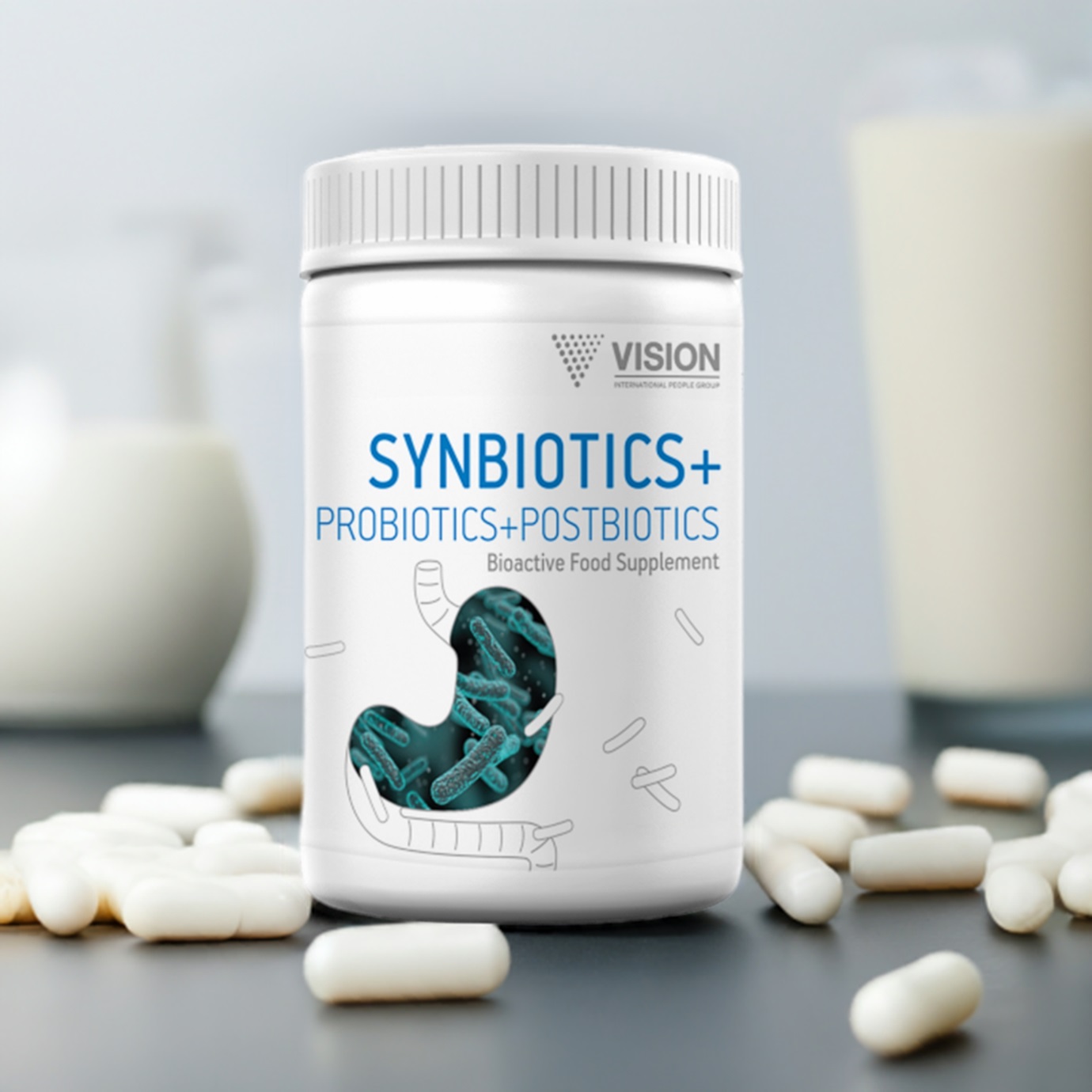
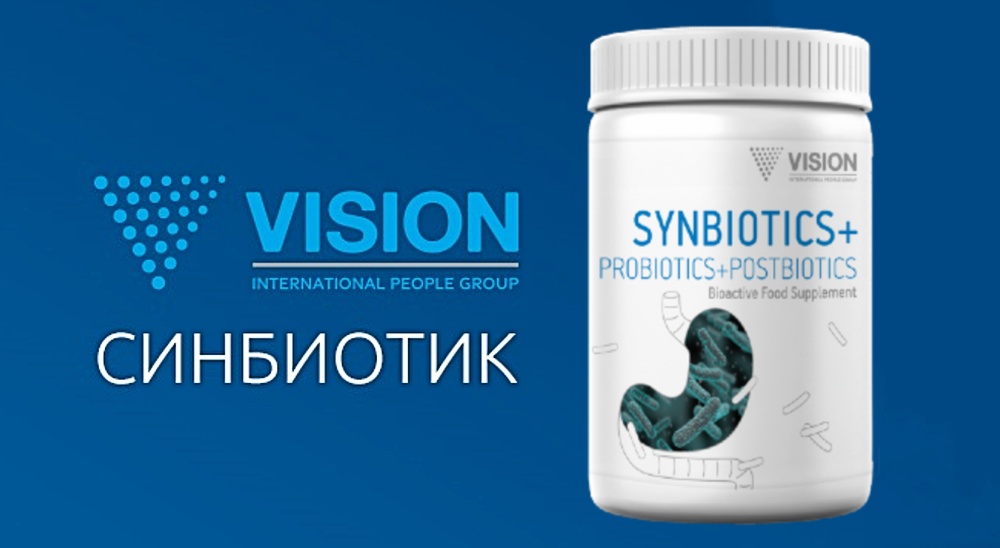
Synbiotics (Probiotics + Postbiotics) VISION — is a dietary supplement with combined properties of probiotics and postbiotics. Reduces the risk of intestinal disorders, creates the correct microflora, stimulates the immune system.
It is used during and after antibiotic treatment, in case of dietary changes or inadequate dietary intake, in the post-operative period, in gastrointestinal disorders or chronic diseases.
Probiotics — these are bacteria that are proven to benefit the human body. The most common probiotics are lactobacillus and bifidobacteria. In the human intestine, probiotics compete with harmful bacteria, inhibit their growth, neutralise the toxins they produce and maintain the protective barrier of the intestinal walls. In this way, they reduce the likelihood of inflammation. Live microorganisms are part of the microbiota of human skin and mucous membranes and therefore prevent viruses from entering the body. In addition, when pathogens enter the body, they stimulate the production of antibodies, allowing the immune system to quickly fight the infection. In medicine, probiotics are used to reduce the risk of Clostridium difficile infection when taking antibiotics. Clostridium difficile — bacteria that can lead to diarrhoea and life-threatening complications.
Postbiotics — these are biologically active compounds that probiotic bacteria produce when consuming prebiotics. Their chemical composition includes fatty acids, microbial cell fractions, functional proteins, extracellular polysaccharides, muropeptides and many other beneficial compounds. Although these bioactive compounds are considered waste products of probiotic bacteria, they provide many benefits to the body. Like probiotics, postbiotics have been shown to enhance barrier function and exhibit antibacterial activity against pathogens, thereby helping to maintain overall health. Their beneficial properties extend not only to the gut, but also to the skin and other body systems and organs. Experts believe that post-biotics: support normal immune system function; reduce inflammation in the body; aid digestion and help with diarrhoea; reduce the manifestations of inflammatory bowel disease; have antimicrobial effects and prevent infections; and may reduce the risk of cardiovascular disease.
Heat-treated probiotics can also be postbiotic. We know that heat treatment kills probiotic bacteria, meaning they become inactive, but research shows that foods containing this form of microorganisms still have a positive effect on the body. For example, if we pasteurise finished kefir, i.e. allow all living cultures and bacteria to die, this kefir will still contain products of fermentation and activity of previously living bacteria. Such kefir will be called postbiotic.
VISION SYNBIOTICS+ dietary supplement contains viable bacteria: Lactiplantibacillus plantarum TENSIA®, Lactiplantibacillus plantarum INDUCIA®, Lactiplantibacillus plantarum MCC1, Bifidobacterium longum, Bifidobacterium infantis. As well as a upcycled postbiotic blend (metabolites processed from the enzyme of the bacteria Lactobacillus fermentum and Lactobacillus delbrueckii).
Lactobacillus plantarum — the most effective lactobacilli. It is one of the most well-studied species of lactobacilli with unique probiotic properties. This effectiveness is due to its resistance to the low pH of the stomach. L. plantarum supports the cardiovascular system, reduces LDL cholesterol in the blood, strengthens the immune system, is useful for patients with irritable bowel syndrome, reduces the risk of food infections, and increases the total number of beneficial lactobacilli in the intestine.
Lactiplantibacillus plantarum TENSIA®, Lactiplantibacillus plantarum INDUCIA® and Lactiplantibacillus plantarum MCC1 — are lactobacilli of human origin, isolated from a healthy Estonian child, whose safety has been tested in vitro, on laboratory animals and healthy volunteers. They were discovered and clinically studied by BioCC OÜ researchers in co-operation with researchers at the University of Tartu. Lactobacillus plantarum TENSIA® and INDUCIA® are the property and registered trademark of BioCC OÜ.
Bifidobacterium longum — one of the most effective species of bifidobacteria that tolerates low stomach pH and reaches where it needs to go. Reduce pain and discomfort in irritable bowel syndrome, colitis. Produce substances that inhibit the growth of pathogens. The use of B. longum stimulates immunity, prevents the penetration of infectious diseases, constipation and diarrhoea. Have a preventive and protective effect on inflammatory bowel disease.
Bifidobacterium infantis is used as a probiotic and food supplement to improve digestion, irritable bowel syndrome and strengthen the immune system. Bifidobacterium infantis has an anti-inflammatory effect in the intestine, inhibit the growth of pathogenic bacteria in the gastrointestinal tract, produce vitamins B1, B3, B6, B7, B9, B12, promote calcium absorption, with regular use normalise stools, effective in constipation, diarrhoea, bloating.
Properties of SYNBIOTICS+:
- Helps maintain and balance the intestinal microbiota.
- Inhibits the growth of harmful intestinal bacteria.
- Reduces the pain and discomfort of irritable bowel syndrome, colitis.
- Strengthens the antioxidant defence of the body.
- Has an anti-inflammatory effect.
- Supports cardiovascular health by producing compounds that lower blood pressure.
- Reduces LDL cholesterol levels in the blood.
- Increases the number of beneficial lactobacilli and bifidobacteria in the gut, promoting proper breakdown of food compounds.
- Reduces oxidative stress index, which is responsible for many diseases, including cardiovascular disease.
- Helps synthesise B vitamins, vitamin K and folic acid.
- Increases resistance to intestinal infections by producing antimicrobial compounds.
- Protects against the side effects of antibiotics.
- Inhibits Clostridium difficile spore germination and vegetative cell proliferation.
- Increases defence against toxins entering the body from food and the environment.
- Improves metabolism in the body.
- It has an immunomodulatory effect.
Lactiplantibacillus plantarum INDUCIA® (DSM 21379) — is a lactobacillus isolated from a healthy Estonian child. This strain was discovered and developed by BioCC OÜ scientists in co-operation with scientists of the University of Tartu and deposited in 2008 in the international microbial collection of Deutsche Sammlung von Mikroorganismen und Zellkulturen GmbH under the number DSM 21379. The safety and tolerability of INDUCIA® have been proven in healthy adults (aged 20 to 60 years) and its health effects have been tested in more than 500 people. No discomfort, abdominal pain or other negative symptoms were noted during the exposure studies.
Centuries of consumption of lactic acid bacteria, including Lactobacillus plantarum, in fermented foods has proven their safety (FAO / WHO, 2002). L. plantarum species are included in the list of taxonomic units with QPS (Qualified Presumption of Safety) status by the European Food Safety Authority (EFSA) (EFSA, 2007 and 2012).
At the same time, Lactobacillus plantarum as a species is part of the normal human microflora. Lactobacillus plantarum INDUCIA® of human origin (isolated from a healthy Estonian child) is a prerequisite for this microbe to be safe and suitable for oral administration. The safety of Lactobacillus plantarum INDUCIA® has been scientifically demonstrated both in vitro and in laboratory animals, and safety and tolerability in clinical trials in healthy volunteers.
Functional properties of L. plantarum INDUCIA®:
- INDUCIA® protects the cardiovascular system by reducing blood LDL cholesterol levels and binding dietary cholesterol in the intestine through bile salt hydrolase (BSH) activity.
- INDUCIA® reduces oxidised low-density lipoprotein (ox-LDL) levels in the blood and the oxidative stress index, which adversely affects the human body.
- Due to its antioxidant properties and the presence of a complete intracellular glutathione system, INDUCIA® supports the antioxidant network of the human body.
- INDUCIA® produces polyamines that are effective in modulating natural immunity.
- Helps maintain and balance the intestinal microbiota.
- Increases the number of beneficial lactobacilli, allowing for better nutrient absorption.
- Increases the human body's natural defence against various enteropathogens by producing antimicrobial compounds (organic acids, hydrogen peroxide, plantaricins).
- In food, INDUCIA® helps prevent the risk of foodborne infections by inhibiting potentially pathogenic bacteria such as Listeria, Salmonella, Shigella.
- INDUCIA® may inhibit germination of Clostridium difficile spores and proliferation of vegetative cells.
Clostridium difficile is an anaerobic spore-forming intestinal pathogen. C. difficile is a frequent cause of antibiotic-associated diarrhoea in hospitals and nursing homes. Spores germinate into vegetative cells and produce disease-causing toxins. 25% of patients infected with C. difficile develop pseudomembranous colitis. Diarrhoea associated with Colstridium difficile increases mortality, length of hospital stay and significantly increases the cost of general medical care.
Lactiplantibacillus plantarum INDUCIA® has a flexible metabolism and therefore tolerates processing well, is able to multiply in a wide temperature range (+12 °C to +45 °C) and even in a low-carbohydrate environment.
L. plantarum INDUCIA® has been granted Estonian (EE05341), European (EP2288360) and Korean (KR10-1595042) patents: «An isolated strain of the microorganism Lactobacillus plantarum INDUCIA® DSM 21379 as a probiotic that enhances natural immunity, a food product and composition containing it, and the use of the microorganism for the preparation of a preparation that enhances cellular immunity». US patent US10272122 issued on 30.04.2019: «Lactobacillus plantarum INDUCIA® DSM 21379 as a cellular immunity enhancer, hypocholesterolemic and antioxidant agent and antimicrobial agent against Clostridium difficile». European Patent EP3193895, granted 15.04.2020, «Lactobacillus plantarum INDUCIA® DSM 21379 as a hypocholesterolemic agent and antimicrobial agent against Clostridium difficile».
Lactiplantibacillus plantarum TENSIA® (DSM 21380) — is a lactobacillus of human origin isolated from a healthy Estonian child, the safety of which has been repeatedly studied in vitro, on laboratory animals and on healthy volunteers. TENSIA® was discovered and studied by BioCC OÜ scientists in co-operation with scientists at the University of Tartu and has been deposited in the international microbial collection of Deutsche Sammlung von Mikroorganismen und Zellkulturen GmbH under the number DSM 21380.
According to the American Gastroenterological Association, Lactobacillus plantarum may be beneficial to patients with irritable bowel syndrome with respect to improving defecation problems and also help to reduce abdominal bloating from gas, which for patients with irritable bowel syndrome is sometimes a serious problem. L. Plantarum are able to induce interferon and reduce tumour activity.
The European Food Safety Authority (EFSA) has given Lactobacillus plantarum a «Qualified Presumption of Safety» (QPS status), indicating that there is no evidence of harm.
Functional characteristics of L. plantarum TENSIA®:
- Supports the cardiovascular system by producing compounds that lower blood pressure.
- Protects the body from excessive oxidative stress through antioxidant properties.
- Reduces the risk of foodborne infections by suppressing enteropathogens (pathogenic bacteria) in dairy products and increasing the body's resistance to intestinal infections.
- Supplies the body with the L. plantarum TENSIA® strain, which increases the body's natural resistance to a range of bacteria that cause intestinal infections.
- Increases the total number of beneficial lactobacilli in the gut, allowing nutrients to be broken down into more easily digestible compounds.
- Produces antihypertensive compounds (behaves similarly to NO and ACE inhibitors).
- Strengthens the body's natural defences.
Studies have shown high efficiency of Lactobacillus plantarum use as part of supplements in the treatment of some gastroenterological, infectious, cardiovascular diseases — diarrhoea, colitis, intestinal infections, diabetes, hypertension and others. It is also found to have a stimulating effect on the immune system (activates some of its mechanisms), anti-cancer, antioxidant properties.
The health benefits of L. plantarum TENSIA® are due to several bioactive compounds that the bacterium produces as a result of its activity:
- Special peptides with vasodilating effects.
- Nitric oxide (NO). NO protects the intestinal mucosa from damage, has antibacterial and anti-inflammatory properties, and lowers blood pressure.
- Conjugated linoleic acid (CLA). CLA is a fatty acid whose health benefits are similar to omega-3 fatty acids derived from fish oil.
- Polyamines (putrescine, spermidine). The physiological action of polyamines is directed at immune cells and the regulation of inflammatory reactions. They also have an anti-allergic effect, stimulate protein synthesis and improve the condition of the intestinal mucosa.
L. plantarum TENSIA® has been granted an Estonian patent (EE05340), a Korean patent (KR10-1587195) and a European patent (EP2309870), which has come into force in the following countries: CY / CZ / LT / LV / PL / SE / DE / FI / GB / HU: «An isolated strain of the microorganism Lactiplantibacillus plantarum TENSIA® DSM 21380 as an antimicrobial and blood pressure-lowering probiotic, a food product and composition containing the same, as well as the use of the microorganism for the preparation of a blood pressure-lowering drug, and a method for reducing exposure to non-digestible lactobacilli in food products». US patent application US2011/0177198.
L. plantarum TENSIA® has received numerous international awards:
- Finland's Grand Prize for Quality and Innovation 2010, awarded personally by the President of the Republic of Finland, Mrs Tarja Halonen (the properties of TENSIA® were evaluated by independent Finnish scientific experts);
- a gold medal at the Korea International Women's Invention Exhibition 2009 (KIWIE 2009);
- a special award at the EUWIIN (European Union Women Inventors and Innovators Network) Women's Invention Conference and Exhibition in Helsinki (Südamejuust Harmony®) in 2009.
Lactiplantibacillus plantarum MCC1 (DSM 23881) — is a lactobacillus of human origin isolated from a healthy Estonian child in an Estonian-Swedish comparative study of paediatric microflora, the safety and functional properties of which have been tested in vitro and in laboratory animals (in vivo). Clinical trials to test the functional properties in humans were conducted with a whey beverage fermented with strain MCC1. L. plantarum MCC1 was deposited in the culture collection of Deutsche Sammlung von Mikroorganismen und Zellkulturen GmbH under the number DSM 23881 on 5 August 2010.
The European Food Safety Authority (EFSA) has given Lactobacillus plantarum species a «Qualified Presumption of Safety» — QPS status, saying that there is no evidence of harm.
Lactiplantibacillus plantarum MCC1 helps prevent and relieve diarrhoea, constipation and abdominal bloating, supports intestinal mucosal health and helps prevent intestinal inflammation.
L. plantarum MCC1 hydrolyses milk allergy proteins and has good overall proteolytic activity. Its use reduces milk allergy.
The L. plantarum MCC1 strain, which has the necessary targeted proteolytic effect, produces CLA (conjugated linoleic acid) to a significant extent.
Functional properties of L. plantarum MCC1:
- Increases the body's natural resistance to a range of bacteria that cause intestinal infections.
- Possesses antioxidant and anti-inflammatory properties.
- Increases the total number of beneficial lactobacilli in the gut, which helps to better break down nutrients into more easily digestible compounds.
- Helps maintain and restore the balance of normal intestinal microflora.
- Increases the human body's natural resistance to a range of enteropathogens.
- Supports healthy digestion.
Lactobacillus plantarum MCC1 has an anti-inflammatory effect (reduction of MPO levels in the blood), which reduces the systemic load of oxidative stress on the whole organism.
The bacterium has a statistically significant effect on prostate disease in those with urinary tract disease, with irritation symptoms being the leading factor.
BioCC OÜ has thus developed two valuable non-medicinal solutions that are hypoallergenic and help alleviate urinary problems in men.
L. plantarum MCC1 has patents granted in Estonia (EP2678419), Europe (EP2678419), Korea (KR10-1586778), China (CN103649304) and Japan (JP5785275): «Isolated strain of the microorganism L. plantarum MCC1 DSM 23881 and its application».
Bifidobacterium longum (B. longum) — a species of actinobacteria that is naturally found in the human gastrointestinal tract. It is one of the first to colonise the human intestine, next to Bifidobacterium infantis. It is included in various food supplements as a probiotic due to its health benefits. It is a Gram-positive, rod-shaped bacterium that plays an important role in the fermentation of oligosaccharides in the gut. They are used in cancer prevention.
The European Food Safety Authority (EFSA) has granted Bifidobacterium longum species a «Qualified Presumption of Safety» — QPS status, saying that there is no evidence of harm.
Bifidobacterium longum is one of the most effective species of bifidobacterium that can withstand the low pH of the stomach and get where it needs to go. It is highly viable and tends to multiply rapidly in the gut.
Bifidobacterium longum normalises the gastrointestinal tract by converting sugar into lactic acid. They create an acidic environment in the large intestine, which inhibits the reproduction of pathogenic flora. The use of B. longum stimulates immunity, prevents the penetration of infectious diseases, constipation and diarrhoea, reduces pain and discomfort in irritable bowel syndrome (IBS), colitis. Reduces inflammation in the gastrointestinal tract and has demonstrated positive results with respect to reducing abdominal symptoms associated with irritable bowel syndrome and other conditions. Bifidobacterium longum is thought to contribute to the relief of IBS symptoms by normalising cytokine levels. Addition of Bifidobacterium longum to the basic therapy in patients with IBS demonstrates high efficacy with positive dynamics of IBS symptoms, VSI data, severity of the disease course and improvement of the quality of life. Significant positive effect was noted after 14 days from the moment of starting the intake on the scales of abdominal pain, diarrhoeal syndrome, constipation, abdominal discomfort and bloating, nausea. The extended course of Bifidobacterium longum administration resulted in a more pronounced clinical response in the results of the main parameters compared to the usual duration of the course of administration of this probiotic.
In animal studies and clinical trials, Bifidobacterium longum has been established and demonstrated to have a preventive and protective effect on inflammatory bowel disease. B. longum can alter the structure of the gut microbiota, induce and regulate immune responses, and reduce the expression of inflammatory cytokines and AFCs in the gut. In addition, this bacterial species can maintain normal intestinal barrier function by increasing the expression of tight junction proteins (TJP). Thus, Bifidobacterium longum has great potential and can be used as prevention, replacement or adjuvant treatment of inflammatory bowel diseases.
According to numerous experiments, B. longum supplements effectively reduce total cholesterol, hepatic lipid deposition and adipocyte size, and have a positive effect on liver and kidney function.
Bifidobacterium infantis (B. infantis) is a specialised intestinal bacterium, often passed from mother to child during childbirth. Once established in the gut microbiome, B. infantis multiplies and helps to create an environment in which other beneficial bacteria can grow. It interacts with other bacteria in the gut microbiota to extract energy from non-digestible nutrients, ultimately producing a short-chain fatty acid (SCFA) known as butyrate. Butyrate is one of the three main short-chain fatty acids produced by the gut microbiome and, among other things, plays an important role in regulating blood sugar levels. Bifidobacterium infantis be useful in the treatment of type 2 diabetes.
Use as a probiotic and dietary supplement to improve digestion, irritable bowel syndrome and strengthen the immune system. Bifidobacterium infantis have an anti-inflammatory effect in the intestine, inhibit the growth of pathogenic bacteria in the gastrointestinal tract, produce vitamins B1, B3, B6, B7, B9, B12, promote calcium absorption, with regular use normalise stools, effective in constipation, diarrhoea, bloating. Research has shown that B. infantis reduces inflammation in patients with ulcerative colitis, chronic fatigue syndrome and psoriasis.
According to clinical studies, the use of B. infantis reduces all irritable bowel symptoms (IBS) and has a favourable safety profile. Bifidobacterium infantis helps normalise the dysbiotic changes seen in patients with IBS. It reduces microinflammation by normalising the balance of anti- and pro-inflammatory cytokines — IL-10/IL-12 ratio. This important property is relevant for patients with IBS, as modern data confirm the presence of microinflammation of the intestinal mucosa in patients with IBS, which may be the cause of visceral hypersensitivity development, as well as support excessive receptor sensitivity of the intestinal mucosa.
The clinical efficacy of B. infantis in IBS has been confirmed by a number of large-scale placebo-controlled studies. In the work of L. O'Mahony et al. (2005) in patients with different types of IBS who received B. infantis for 8 weeks, a statistically significant decrease in the severity of abdominal pain and discomfort, abdominal bloating, stool problems, as well as a decrease in the total score on the Likert scale was noted. Positive clinical dynamics was accompanied by an increase in serum levels of the anti-inflammatory cytokine IL-10 to the level of healthy individuals and normalisation of the IL-10/IL-12 ratio, which suggests that this strain can reduce microinflammation. This special property is explained by the presence of a specific exopolysaccharide (sEPS) on the surface of B. infantis, which is able to modulate cytokine secretion and reduce NF-κB activation. Due to the convincing data obtained in randomised clinical trials, the World Gastroenterological Organisation's (2015) IBS Practice Guidelines (2015) emphasise that B. infantis currently has the best evidence base for efficacy in IBS.
A upcycled postbiotic blend (metabolites processed from the enzyme of the bacteria Lactobacillus fermentum and Lactobacillus delbrueckii). Postbiotics are by-products of probiotics that feed on prebiotics. Probiotics break down fibre, converting it into finished metabolites called postbiotics. Short-chain fatty acids (butyric acid, formic acid, valerianic acid, propionic acid, acetic acid), functional proteins (which perform molecular functions, biological processes and cellular components) and extracellular polysaccharides (glycans, cellulose, levans, fructans, mannans, etc.) are just three examples of postbiotics. Studies have shown that postbiotics contain functional bioactive compounds that have direct positive effects on the immune system. In addition, research suggests that postbiotics can be used to improve the overall health of adults. Conditions such as atopic dermatitis, diarrhoea and infantile colic can also be alleviated with postbiotics.
Postbiotics are beneficial regardless of age. They have both local and systemic effects. Local effects include immunomodulatory, anti-inflammatory, antimicrobial action, influence on the composition and activity of the microbiota. From a systemic point of view, postbiotics have antioxidant antidepressant properties, reduce blood cholesterol levels, normalise blood pressure and help fight obesity. Postbiotics are powerful immunomodulators, thanks to which increases in times the body's resistance to many even the most formidable diseases — oncology, viral damage. Anti-inflammatory properties of postbiotics have already been proven experimentally and are not subject to doubt. They have a significant effect on the composition and activity of the intestinal microbiota. They are powerful antioxidants, protecting cell membranes from free radical damage. Postbiotics have antidepressant properties, and as is known, a healthy gut produces the hormone serotonin, which supports a positive emotional background. Reduce the level of bad cholesterol in the blood, and with it blood pressure. It is especially worth focusing on butyric acid. It is the main source of energy for intestinal cells. In addition, it has anti-inflammatory and anti-cancer properties — it inhibits the growth of cancer cells and their polyferentation.
What are the benefits of postbiotics?
Immune Boosting
- The short-chain acid butyrate stimulates the production of immune cells in the GI tract that control the activity of our natural defences.
- And bacterial supernatants can boost the production of anti-inflammatory cytokines, substances that reduce the severity of inflammation and stop the immune system from attacking cells or various compounds.
Judging from studies on adults, post-biotics do indeed boost immunity and help us fight off infections, including the common cold. Taking supplements containing them daily reduces the risk of respiratory tract infections and stimulates the production of antibodies that protect us from dangerous microorganisms and substances.
Relief of digestive problems
- Short-chain fatty acids alleviate the symptoms of ulcerative colitis and Crohn's disease — inflammatory bowel diseases (IBD) that cause a lot of discomfort to their sufferers.
Typically, people with IBS produce fewer short-chain fatty acids such as butyrate, which regulates immune function and reduces the severity of inflammation in the digestive tract. According to studies, butyrate supplementation has been shown to provide marked relief from both Crohn's disease and ulcerative colitis.
Prevention and treatment of diarrhoea
An analysis of data from more than 1700 children has proven that postbiotics significantly:
- shorten the duration of diarrhoea;
- prevent not only defecation disorders but also pharyngitis and laryngitis — inflammation of the back of the throat and the mucous membrane of the larynx.
Postbiotics are equally effective against antibiotic-induced diarrhoea and better than probiotics for chronic faecal disease. In irritable bowel syndrome they also show excellent results: they noticeably reduce the frequency of defecation, abdominal pain and bloating, and improve the quality of life.
Effectiveness in allergies
- Postbiotics reduce the severity of atopic dermatitis, an inflammatory skin lesion caused by the immune system attacking the body's own tissues.
Weight Control
- Some postbiotics, such as short-chain fatty acids, promote weight loss by suppressing feelings of hunger.
Sugar Control
- Studies have shown that butyrate improves blood sugar control. These properties are especially important for people with diabetes, whose bodies are unable to deliver glucose from the blood to tissue cells for energy.
Anti-tumour properties
- Judging from animal and human cell experiments, postbiotics can inhibit the growth and spread of some tumour cells, including colon and stomach cancer cells.
Sometimes perceived by the body better than probiotics
- There is another important benefit that cannot be overlooked. Probiotics, or live bacteria, are good for many people, but the preparations and products containing them are not suitable for everyone. If a person does not tolerate them well, postbiotics may be the best alternative.
Side effects of postbiotics
Such compounds are safe for a healthy person. Unpleasant symptoms may occur when taking probiotic supplements that stimulate the production of postbiotics. These include abdominal bloating and discomfort, and usually go away once the body adapts to the change in the composition of the gut microbiota.
Directions for use:
Adults and children over 6 years of age take 1 capsule per day with a glass of water.
Contraindications:
Individual intolerance to the components of the product.
Storage:
Store in a dry, protected from light and out of reach of children at a temperature not exceeding 25°C.
Form of release:
30 capsules.
Composition of SYNBIOTICS+:
| Nutrients | 1 capsule |
| Lactiplantibacillus plantarum INDUCIA® | 1,0×10⁹ CFU* |
| Lactiplantibacillus plantarum TENSIA® | 1,0×10⁹ CFU* |
| Lactiplantibacillus plantarum MCC1 | 1,0×10⁹ CFU* |
| Bifidobacterium longum | 2,5×10⁹ CFU* |
| Bifidobacterium infantis | 2,5×10⁹ CFU* |
| Upcycled postbiotic blend (Lactobacillus fermentum and Lactobacillus delbrueckii) |
*CFU: Colony Forming Unit