


























|
Quantity
|
Out of stock
|
||
|
|
|||
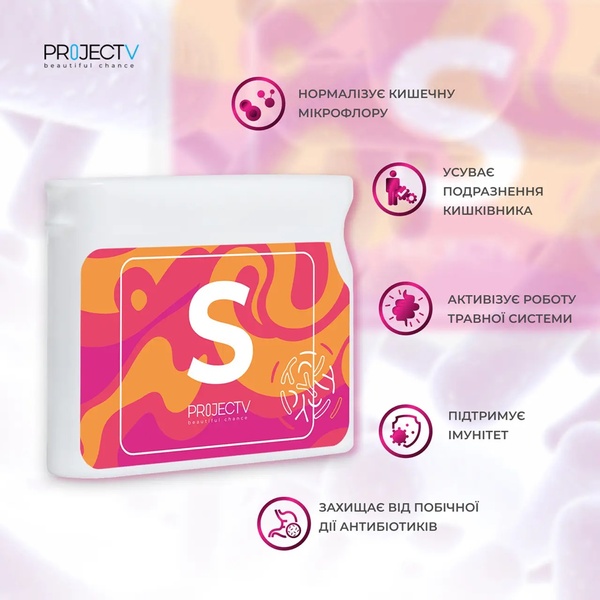
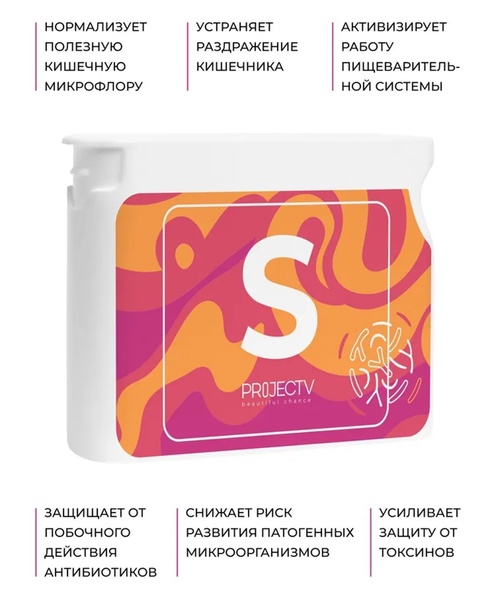
“S” (Synbiotic) is a unique biologically active complex that combines live cultures of bifidobacteria and lactobacilli with natural prebiotics — fructooligosaccharides. Its main action is aimed at restoring the natural balance of the intestinal microflora, maintaining the health of the digestive system and strengthening the body's immune defence.
Regular use of this synbiotic helps to:
- prevent the colonisation of the intestine by pathogenic microorganisms;
- increase the number of beneficial bacteria;
- normalise digestive processes and the synthesis of vitamins B, K, folic acid and niacin;
- activate immune responses and promote the restoration of natural immunity.
Clinically proven effectiveness
The complex includes strains with proven effects:
- Lactobacillus rhamnosus GG is one of the most studied probiotic strains, restoring the balance of microbiota, strengthening the intestinal barrier function, and suppressing pathogenic microorganisms.
- Bifidobacterium lactis supports immune functions and improves the overall condition of the body.
- Lactobacillus casei has an immunomodulatory effect and reduces inflammatory processes in rheumatoid arthritis.
- Bifidobacterium breve maintains a healthy balance of intestinal microflora, reduces the manifestations of allergic reactions, and normalizes digestion.
- Lactobacillus plantarum — reduces bloating and flatulence, helps protect the intestinal mucosa, and reduces the risk of inflammation.
- Lactococcus lactis participates in the synthesis of B vitamins and lactic acid, maintains normal intestinal pH, and inhibits the growth of pathogens.
- Streptococcus thermophilus facilitates lactose digestion, promotes better absorption of nutrients, and supports the immune system.
Live bifidobacteria and lactobacilli help relieve constipation, reduce bloating, flatulence and diarrhoea, and also help maintain healthy colon function.
Does not contain colourings, preservatives or milk powder (suitable for people with lactose intolerance);
The role of fructooligosaccharides (FOS)
FOS are plant-based prebiotics that create a favourable environment for the growth of beneficial bacteria in the intestine. They:
- stimulate the development of bifidobacteria and suppress pathogenic microflora;
- enhance the absorption of calcium and magnesium, which is especially important for postmenopausal women;
- help prevent osteoporosis and other diseases of the musculoskeletal system;
- reduce the risk of diarrhoea during antibiotic therapy;
- have shown a positive effect on chronic fatigue syndrome and hyperactivity.
Synbiotics as functional nutrition
A deficiency of bifidobacteria and lactobacilli often leads to long-term intestinal disorders and chronic digestive problems in both children and adults. Therefore, Synbiotic “S” can be considered an effective biocorrector and an important element of functional nutrition for maintaining the health of the entire body.
Properties of complex “S” (Synbiotic PROJECT V):
- Restores the balance of intestinal microflora. The combination of probiotic cultures and prebiotics (FOS) helps to quickly restore the number of beneficial bacteria after stress, poor nutrition or antibiotic therapy.
- Activates digestive processes. Live bifidobacteria and lactobacilli participate in the breakdown and absorption of proteins, fats and carbohydrates, facilitate the work of the digestive system and reduce the load on the stomach and intestines.
- Promotes better absorption of nutrients. Thanks to a harmonious microbiome, the body better absorbs vitamins, minerals, amino acids and other important elements from food.
- Supports natural immunity. Probiotic strains activate immune cells, stimulate protective reactions and help the body fight infections.
- Prevents the growth of pathogenic microorganisms. Lactobacilli secrete organic acids and natural antibacterial substances, inhibiting the development of harmful microflora.
- Reduces the risk of digestive disorders. Helps with bloating, flatulence, constipation and diarrhoea, normalises bowel function and reduces discomfort.
- Protects against the side effects of antibiotics. Prevents diarrhoea associated with antibiotic therapy and promotes rapid restoration of intestinal microflora.
- Has an immunomodulatory effect. Lactobacillus casei bacteria are especially effective for older people, helping to strengthen the immune system and reduce inflammation, including in rheumatoid arthritis.
- Reduces the impact of stress factors. Supports the body during periods of unbalanced nutrition, high mental and physical stress, and exposure to a polluted environment.
- Helps control cholesterol levels. Bifidobacteria and lactobacilli help reduce ‘bad’ cholesterol levels and maintain cardiovascular health.
- Restores acid-alkaline balance. Natural fermentation processes that occur thanks to probiotics help maintain optimal pH in the intestines.
- Regulates glucose levels. Improves cell sensitivity to insulin and promotes more stable energy metabolism.
- Promotes detoxification. Helps remove heavy metals, toxins and decay products from the body, reducing the overall load on the liver and kidneys.
- Improves metabolism. Stimulates metabolic processes, which is important for weight control, energy and maintaining vitality.
- Reduces allergy symptoms. Bifidobacterium breve and Lactobacillus plantarum bacteria help reduce sensitivity to allergens and improve the barrier function of the mucous membrane.
- Promotes bone health. Thanks to fructooligosaccharides, it improves the absorption of calcium and magnesium, which helps prevent osteoporosis, especially in postmenopausal women.
- Supports vitamin synthesis. Probiotics stimulate the formation of B vitamins, vitamin K and folic acid, which strengthen energy metabolism and the nervous system.
Recommended as a biologically active food supplement — an additional source of probiotic microorganisms (bifidobacteria and lactobacilli), lactic acid microorganisms and fructooligosaccharide prebiotics.
*Dietary supplements are not a substitute for a balanced and rational diet.
*Not a medicinal product.
Fructooligosaccharides (FOS) in Synbiotic “S” — natural support for microflora, immunity and metabolism. Fructooligosaccharides are soluble dietary fibres from the prebiotic group that are not broken down in the upper digestive tract and reach the large intestine almost unchanged. There, they become an extremely valuable nutrient medium for bacteria of the genus Bifidobacterium and Lactobacillus, stimulating their growth and activity.
The main benefits of FOS:
- Feeding beneficial bacteria is the basis of healthy microflora. FOS selectively support the growth of ‘friendly’ bacteria, promoting the production of short-chain fatty acids (SCFA), which cleanse the intestine, lower pH and suppress pathogens.
- Improved digestion and normalised bowel movements. Thanks to prebiotics, colon motility improves, constipation, bloating and other unpleasant symptoms are reduced.
- Increased absorption of calcium and magnesium — extremely important for bones. Scientific studies show that FOS increases the bioavailability of these minerals, maintaining bone density, especially in people over 45–50 years of age.
- Immunomodulatory effect. FOS help strengthen the immune system by reducing inflammation through maintaining a favourable microbial environment in the intestine.
- Glucose regulation and metabolic health. Due to their low glycaemic index, FOS help control blood sugar levels and may promote weight loss.
- Cholesterol reduction and heart support. Studies indicate the potential of FOS to lower triglyceride and ‘bad’ cholesterol levels.
- Prevention of colon disease risk. The beneficial effects on the microbiota and SCFA improve protection against inflammation and ulcers and may reduce the risk of colorectal cancer.
- Optimised source of dietary fibre and low calorie content. FOS is a natural fibre with a moderately sweet taste, used as an adapted low-calorie sweetener without harming the microflora.
Practical application in the “S” (Synbiotic) composition:
FOS in the ‘S’ formula act synergistically with probiotic strains — they create a nutritious environment, improve their survival and effectiveness, which enhances the overall synbiotic effect. In addition to supporting microflora, they work as natural support for immunity, bones and metabolism — all of which is scientifically proven and carefully selected.
Lactobacillus rhamnosus GG (LGG®) in Synbiotic “S” — reliable protection for gastrointestinal health. Lactobacillus rhamnosus GG is one of the most well-known and thoroughly studied probiotic strains, with over 800 scientific studies dedicated to it, including numerous clinical trials. This confirms its high efficacy, safety and exceptional stability in the body.
Key benefits of LGG®:
- Survives in the harsh environment of the digestive tract. LGG® is resistant to low pH values (down to 2.0–2.5) and bile salts, allowing it to colonise the large intestine unchanged.
- Strengthens the barrier function of the intestine. Thanks to its high attachment to the mucous membrane, LGG® prevents the adhesion of pathogenic microbes, strengthening the protection of the intestine.
- Effective for diarrhoea and gastrointestinal disorders. Evidence has shown that LGG® helps reduce the duration of acute diarrhoea and prevents antibiotic-associated diarrhoea, rotavirus and nosocomial forms.
- Powerful immunomodulatory effect. LGG® actively interacts with the immune system — it stimulates defence cells and reduces the production of cytokines associated with inflammatory and allergic reactions.
- Positive effect on the brain and metabolism. A clinical study showed that LGG® improved cognitive function in middle-aged and older people with cognitive impairment. In addition, it improves insulin sensitivity, regulates glucose levels and helps reduce inflammation.
- Liver protection and bile regulation. In experiments on models with blocked bile ducts (cholecystectomy), LGG® significantly reduced liver inflammation, fibrosis and hepatotoxicity, and normalised bile acid metabolism through the activation of FXR-FGF-15 pathways.
- Synthesis of beneficial substances. LGG® is capable of producing B vitamins, K vitamins, pantothenic acid and amino acids. This promotes better absorption of iron, calcium and vitamin D, which is important for maintaining bone and immune health.
- Safety for a wide range of users. LGG® is well tolerated by everyone from infants and pregnant women to the elderly. Its safety profile has been confirmed by numerous studies; isolated risks (e.g. in severely immunosuppressed patients) require medical supervision.
Bifidobacterium breve (B. breve) — an important component of Synbiotic “S”. Bifidobacterium breve is a widely recognised probiotic strain with proven safety and efficacy, commonly found in the intestines of infants and actively researched in paediatrics and nutrition.
Key benefits of B. breve:
- Restores the barrier function of the intestine. B. breve maintains the integrity of the mucous membrane and reduces intestinal permeability, strengthening protective mechanisms.
- Natural antimicrobial effect. By fermenting carbohydrates, B. breve produces lactic and acetic acid (lactate and acetate), creating an acidic environment that inhibits pathogenic microflora and maintains a healthy balance of bacteria.
- Immunomodulatory action. Studies show that B. breve alters the expression of inflammatory genes (e.g., C3, CXCL6), improving the protective functions of the immune system and strengthening the intestinal epithelial lining.
- Positive effect on digestion. B. breve helps with constipation, flatulence, bloating, diarrhoea and irritable bowel syndrome (IBS) — it reduces discomfort and promotes regular bowel function.
- Synbiotic effect and compatibility with prebiotics. When combined with prebiotics or other probiotics, B. breve effectively promotes the treatment of ulcerative colitis and increases the effectiveness of Helicobacter pylori therapy while reducing side effects.
- Potential for brain and mood support. Bifidobacterium breve strains are classified as potential psychobiotics: studies show improvements in sleep quality and mood, and B. breve A1 improves short-term memory in people with moderate cognitive impairment.
- Leaves a mark on metabolism and complex therapy. B. breve strains (e.g., lw01) have shown antitumour activity with apoptosis induction in model experiments.
- Safe and selected strain. Bifidobacteria breve demonstrates extremely good survival in the gastrointestinal tract, the ability to be absorbed into epithelial cells, suppress pathogens, and does not contain virulence or antibiotic resistance genes.
Practical significance in the composition of “S” (Synbiotic PROJECT V)
In the “S” formula, Bifidobacterium breve acts as a holistic probiotic with multifaceted effects: it nourishes and protects the intestinal mucosa, regulates immune responses, promotes comfortable digestion, has the potential to support the brain, and can even complement the treatment of intestinal and systemic diseases. In synergy with other strains and prebiotics (FOS), this bacterium enhances the overall synbiotic effect of the complex.
Bifidobacterium lactis (В. lactis) — a key probiotic in Synbiotic “S”. Bifidobacterium Lactis is one of the most common and thoroughly researched probiotic strains, which is safe and effective for different age groups, from infants to the elderly.
The main advantages of B. lactis:
- Resistance to gastrointestinal conditions. This strain is quite resistant to the acidic environment of the stomach and can survive the digestive process, acquiring colonization resistance, i.e., resistance to colonisation by pathogens and stabilisation of microflora.
- Improves bowel function. Clinical studies have shown that the Bifidobacterium lactis strain helps normalise bowel movements, has a protective effect against diarrhoea (especially antibiotic-associated) and facilitates intestinal motor activity.
- Immune support for the elderly. The B. lactis strain helps improve cellular immunity by increasing the number of T-helpers (CD4⁺) and natural killer cells, thereby strengthening the body's protective responses.
- Enhances barrier function and metabolic health. Bifidobacteria lactis supports the gut microbiome, helping to regulate lipid profile, metabolism and inflammatory processes, which is important for weight control and metabolic syndrome.
- Impact on the skeletal and muscular systems. A recent study showed that Bifidobacterium lactis reduces bone and muscle loss in mouse models by increasing butyrate production, improving bone structure and muscle functional endurance.
- Relief of IBS symptoms and constipation. Bifidobacteria lactis help improve bowel function in irritable bowel syndrome — reducing bloating, pain, and irregular stools.
- Oral health and metabolic effects. Studies have shown that B. lactis can reduce dental plaque, lower the risk of tooth decay, and have a positive effect on the composition of the microbiota in colorectal cancer.
Practical significance in the composition of Synbiotic “S”
In the “S” formula, Bifidobacterium lactis acts as a universal probiotic component that:
- strengthens immune defence,
- restores the balance of intestinal microflora,
- normalises digestion,
- supports metabolism, heart, bones and overall health.
In synergy with other strains (LGG®, B. breve, etc.) and prebiotics (FOS), they enhance the overall synbiotic effect of the complex, providing broad support for the body at any age.
Lactobacillus casei (L. casei) — important for immunity, digestion and metabolic harmony. Lactobacillus casei is a widely studied probiotic strain known for its stability in the gastrointestinal tract, safety, and complex effect on the body: it is able to survive in the acidic environment of the stomach and colonise the intestines.
The main benefits of L. casei:
- Supports the barrier function of the intestine. Thanks to its ability to survive in the stomach and reach the large intestine intact, Lactobacillus casei helps regulate the mucous membrane and protect against pathogens.
- Improved digestion and regularity. Clinical trials show that Lactobacillus casei helps reduce constipation, regulate bowel movements and combat diarrhoea, including antibiotic-associated cases.
- Immunomodulatory action. Model studies have shown that L. casei can activate macrophages, increase their phagocytic activity, and regulate the production of interferon-γ, TNF-α, and other key cytokines. This helps to strengthen the natural immune system.
- Anti-allergic and anti-inflammatory activity. Children who had early contact with Lactobacillus casei had a reduced risk of developing atopic dermatitis. There is also evidence of a reduced risk of food allergies and inflammation in the intestines.
- Harmonisation of the intestinal microbiota. Lactobacillus casei strains have a positive effect on the composition of the microbiome — they reduce harmful bacteria and increase the levels of bifidobacteria, promoting balance and metabolic health.
- Protection against diarrhoea. L. casei has proven effective in reducing the frequency and duration of acute diarrhoea in children, including that caused by rotavirus infections.
- Lowering cholesterol and supporting the cardiovascular system. In models, the L. casei ATCC7469 strain, combined with Spirulina, improved the lipid profile, reduced LDL and triglycerides, increased HDL levels, suppressed inflammation, and increased antioxidant levels.
- Prevention of imbalance during stress or after antibiotics. Regular consumption of L. casei helps prevent a decrease in the protective functions of the intestine during antibiotic therapy or stress by maintaining microbiological stability.
Practical significance in Synbiotic “S”
The inclusion of Lactobacillus casei in the “S” complex is time-tested reliability. This strain:
- Penetrates the intestine alive to protect and restore the microbiota.
- Improves digestion, reduces constipation, diarrhoea and bloating.
- Helps strengthen immunity through cytokine regulation and interaction with macrophages.
- Helps lower ‘bad’ cholesterol levels and maintain a healthy metabolic environment.
In synergy with other strains (LGG®, B. lactis, B. breve) and prebiotics (FOS), Lactobacillus casei enhances the overall synbiotic effect of the complex — supporting intestinal health, the immune system and metabolism.
Lactobacillus plantarum (L. plantarum) — a universal probiotic with powerful protective and metabolic potential. Lactobacillus plantarum (now Lactiplantibacillus plantarum) is one of the most versatile and promising probiotic strains. It is known for its ability to survive in the gastrointestinal tract, produce antioxidants and maintain metabolic harmony.
Key benefits of L. plantarum:
- Antimicrobial and balancing action. This strain produces bacteriocin and other substances that inhibit both Gram-positive and Gram-negative pathogens, including E. coli and Candida yeasts, helping to maintain healthy intestinal microflora.
- Support for irritable bowel syndrome (IBS). Lactobacillus plantarum reduces pain, bloating and stool disorders, helps normalise intestinal transit and significantly improves the quality of life of patients with IBS.
- Heavy metal detoxification and antioxidant protection. In experiments on mice, the L. plantarum strain effectively reduced the concentration of lead (Pb), cadmium (Cd), mercury (Hg), chromium (Cr) and arsenic (As) concentrations in the liver and kidneys, reducing oxidative stress and maintaining the activity of antioxidant enzymes — SOD, CAT and T-AOC.
- Antioxidant properties and brain support. Lactobacillus plantarum has high antioxidant potential, is capable of reducing oxidative stress and has a positive effect on cognitive function, sleep, fatigue reduction and mood improvement.
- Metabolism regulation and weight maintenance. Lactobacillus plantarum strains have been shown to reduce cholesterol, triglyceride and leptin levels, as well as prevent excessive body weight in obese models. L. plantarum may also help normalise uric acid levels (hyperuricemia) by modulating the microbiome.
Practical significance in “S” Synbiotic PROJECT V
Formula “S” with Lactiplantibacillus plantarum is a comprehensive solution that:
- suppresses pathogens;
- reduces IBS symptoms;
- supports the body's cleansing of heavy metals;
- strengthens antioxidant systems;
- supports metabolic health, mood and cognitive function.
In synergy with other strains (LGG®, B. lactis, B. breve) and prebiotics (FOS), L. plantarum significantly enhances the overall synbiotic effect of the premium formula.
Lactococcus lactis (L. lactis) — more than just fermentation: a unique probiotic and immune ally. Lactococcus lactis (non-spore-forming, Gram-positive cocci bacteria) is one of the most well-known ‘fruit’ probiotics, widely used in culinary traditions (yoghurt, cheese, pickled vegetables). At the same time, modern scientific achievements have expanded its potential to medical challenges and biotechnology.
The main advantages of L. lactis:
- Safety and GRAS food profile. Thanks to centuries of use in fermentation, Lactococcus lactis has GRAS status, does not cause aggressive immune reactions, and is easily tolerated by the body. It survives in the digestive tract for 2–3 days but does not colonise it too actively.
- Immunomodulatory activity. Studies have shown that L. lactis enhances the activity of phagocytes (cells that destroy pathogens) and stimulates the production of key cytokines, such as IFN-γ and TNF-α, which initiate protection and recovery in infections and inflammations.
- Ecosystem for immunotherapy and vaccines. Lactococcus lactis is used as a platform for delivering antibody proteins, cytokines, and antigens (e.g., against Helicobacter pylori, Streptococcus pneumoniae, HSV-1, HPV, and influenza), inducing both local and systemic immune responses, including IgA in the mucous membranes.
- Potential in the fight against tumours. Some engineered strains of Lactococcus lactis are capable of producing cytokines that alter the immune environment of the tumour, reduce its progression and can act as ‘live vaccines’ for cancer therapy.
- Antibacterial enzyme metabolites. Lactic acid and other enzyme products of L. lactis can inhibit the motility and growth of pathogenic bacteria, such as Salmonella, by lowering the intracellular pH, which disrupts their structural and functional properties.
- Improved intestinal health in animal models. In studies on fish, Lactococcus lactis improved growth, digestive enzyme activity, villus length, survival rates, and immune gene expression, indicating a powerful effect on barrier function and mucosal integrity. Mucosal integrity is a condition in which the mucous membranes (mucosa) in the human body are intact and healthy.
Practical significance in the composition of Synbiotic “S”
The inclusion of Lactococcus lactis in the composition of “S” creates a synergistic effect:
- Mild immune support — both natural and at the molecular level.
- Supports the mucous membranes and immunity of the mucosal membranes, which is especially important during the respiratory infection season.
- Allows L. lactis to be used as a platform for future biotechnological solutions in health.
- Maintains metabolic balance and detox dominance of the microbiota through antibacterial metabolites and enzymes.
Streptococcus thermophilus (S. thermophilus) — reliable support for digestion, immunity and intestinal microflora. Streptococcus thermophilus is a thermophilic lactic acid bacterium widely used in the production of yoghurt and hard cheeses. It has GRAS (Generally Recognised as Safe) status in the United States and QPS (Qualified Presumption of Safety) status from EFSA, making it one of the safest probiotic cultures.
Key properties of S. thermophilus:
- Improves lactose digestion. This strain produces the enzyme β-galactosidase, which helps break down lactose in the intestine, reducing symptoms of intolerance — bloating, diarrhoea, pain. These effects are confirmed by the EU: yoghurt with ≥ 10⁸ live cells/g of S. thermophilus is allowed to claim that it improves lactose digestion.
- A common but effective transit bacterium. Studies show that certain strains of S. thermophilus can survive the digestive tract and temporarily colonise the intestine, although the results depend on the strain and identification methods.
- Antimicrobial action and postbiotic secretion. Streptococcus thermophilus is a source of postbiotic substances — lactate and other metabolites that inhibit pathogens and create an acidic environment that is unfavourable for their reproduction.
- Immune support for the intestine. Although S. thermophilus does not attach well to the mucosa, it stimulates the formation of mucous cells (goblet cells) and supports the production of mucin, which improves the barrier function of the intestine.
- Research potential. Scientists are working to identify strains that have additional probiotic properties, such as antibiofilm activity or effects on host metabolism.
- Enhances neighbouring bacteria. In dairy products, Streptococcus thermophilus supports the growth of other beneficial bacteria, such as Lactobacillus brevis — certain strains stimulate the synthesis of GABA, a neurotransmitter with anti-inflammatory and calming effects.
Practical significance in Synbiotic “S”
In formula “S” (PROJECT V), Streptococcus thermophilus is a gentle but effective solution:
- increases lactose tolerance;
- supports intestinal mucus and barrier integrity;
- works together with other probiotics, providing a comfortable environment for their survival and activity;
- is ideal for sensitive groups: children, people with lactose intolerance, as well as during recovery after antibiotics.
🔬 Synbiotic “S” is essential:
- In constipation or diarrhoea.
- With increased flatulence.
- When there is discomfort and pain in the intestines.
- While taking medicines, especially antibiotics.
- When inflammation of the intestines.
- In irritable colon syndrome.
- When eating junk food.
- In obesity, metabolic disorders, diabetes mellitus.
- To improve the condition and counteract inflammation in elderly people with rheumatoid arthritis (Lactobacillus casei).
- To improve the immune functions of the body (Bifidobacterium lactis).
✨ Thanks to the “S” complex, you will be able to:
- get a complete and complex nutrition;
- restore intestinal microflora, ensure its normal function;
- maintain the good work of the gastrointestinal tract;
- improve the composition of your blood;
- increase immunity, resistance to infections;
- increase the defence functions of your body.
🧪 Advantages of supplement “S”:
- contains a unique combination of probiotic strains (Bifidobacterium lactis, Bifidobacterium breve, Lactobacillus casei, Lactobacillus rhamnosus GG, Lactobacillus plantarum, Lactococcus lactis, Streptococcus thermophilus) with clinically proven effects;
- supports immunity: Bifidobacterium lactis improves immune function, Lactobacillus casei has an immunomodulatory effect in older people and helps reduce inflammation in rheumatoid arthritis;
- provides a complete synbiotic effect — a combination of probiotics and prebiotics (FOS) that enhance the growth of beneficial microflora;
- natural fructooligosaccharides (FOS) from beets help restore the intestinal microbiota, improve calcium and magnesium absorption, and help control glucose levels;
- proven effectiveness of FOS: clinical studies confirm an increase in the number of beneficial bacteria in the intestine and a decrease in pathogenic microorganisms;
- helps when taking antibiotics — reduces the risk of antibiotic-associated diarrhea and promotes faster restoration of microflora;
- reduces bloating, flatulence, and other digestive discomfort;
- promotes better absorption of nutrients and supports the synthesis of vitamins B and K, as well as folic acid;
- removes toxins and heavy metals, facilitating the work of the liver and kidneys;
- exclusive formula combining modern probiotic technologies and natural prebiotics;
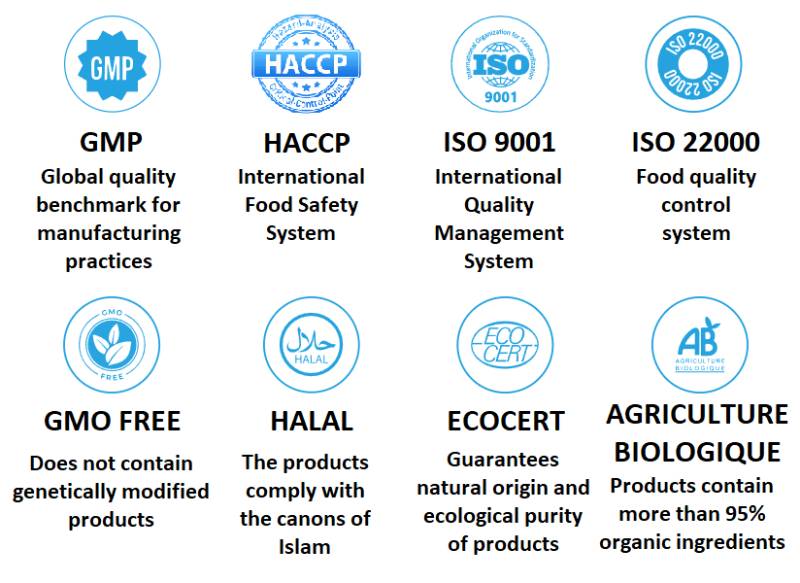
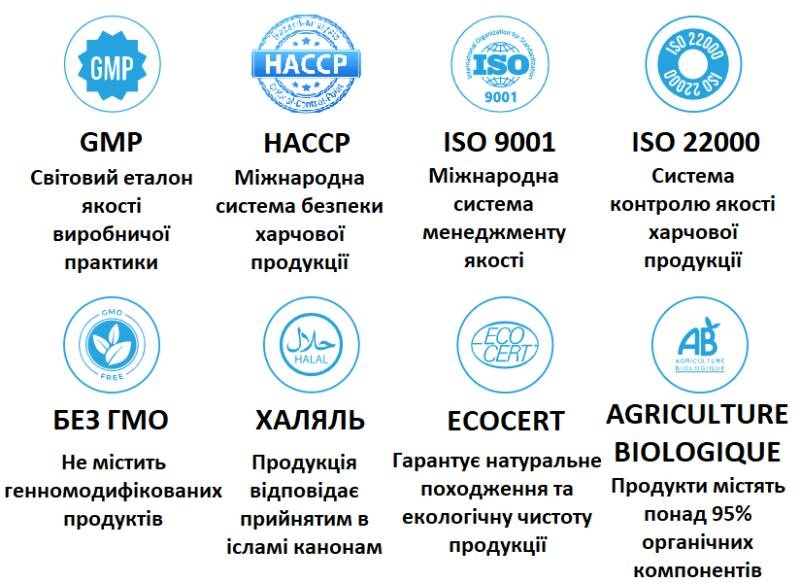
- the production of “S” complies with the high European and international standards of GMP, ISO and HACCP food safety;
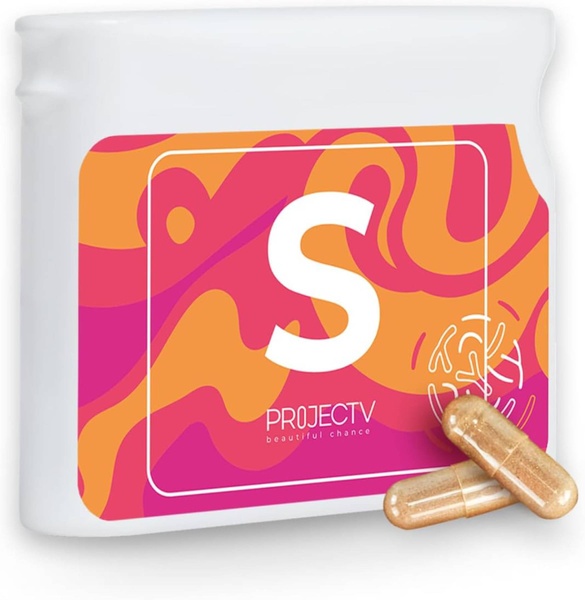
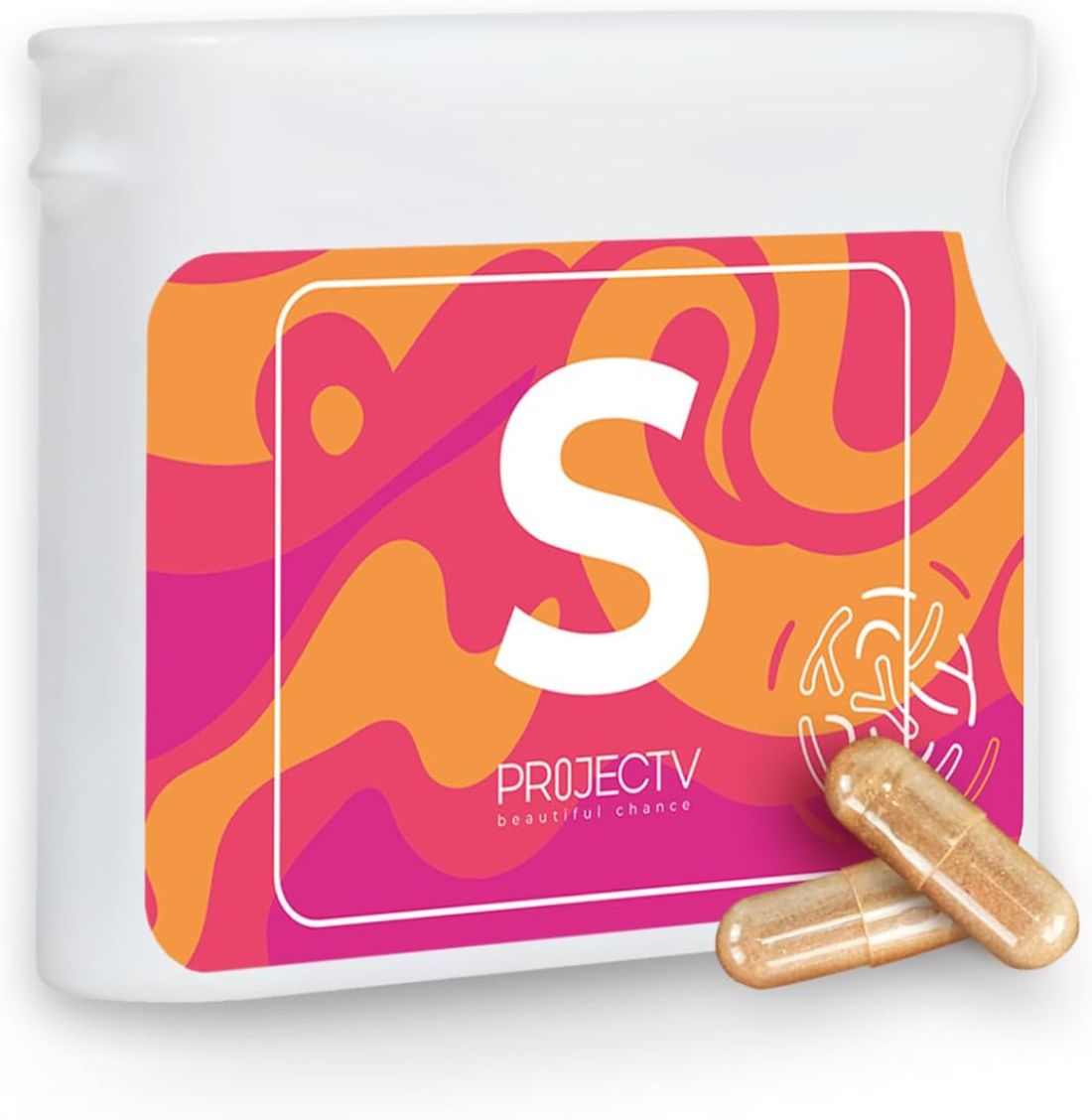
- vegetarian capsule — suitable for vegetarians and easily absorbed by the body;
- does not contain colourings, preservatives or milk powder (suitable for people with lactose intolerance);
- easy to absorb and convenient to take;
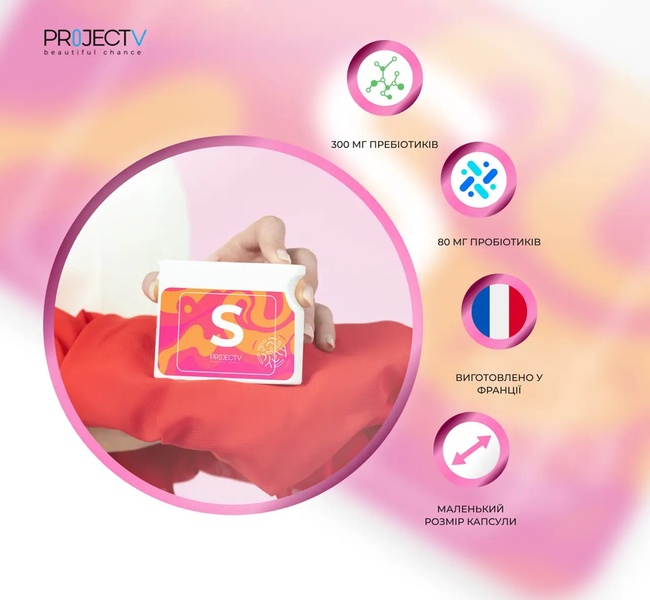
- innovative compact packaging — convenient to take with you, fits easily in a bag or pocket, protects from moisture and light.
📋 Directions for use:
Take 1 capsule early in the morning, before breakfast, washed down with a full glass of water.
🚫 Contraindications:
Individual intolerance to any of the product’s ingredients.
📦 Storage:
Store in a dry, protected from light and out of reach of children at a temperature not exceeding 20°C (better — in the refrigerator).
💊 Dosage form:
30 plant-based capsules.
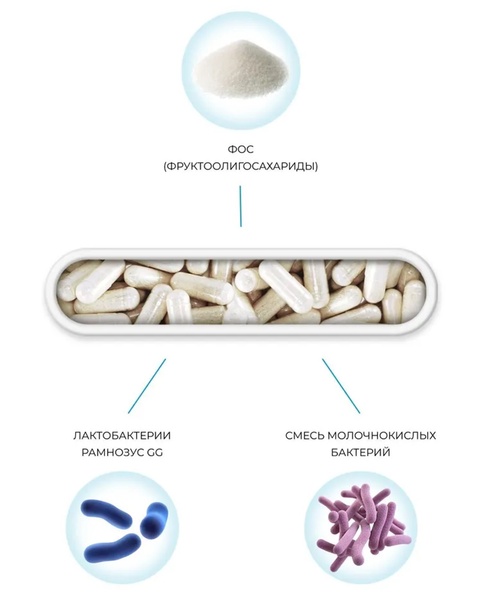
Composition of complex “S” (Synbiotic):
| Active ingredients | Quantity per 1 capsule |
|
FOS (fructooligosaccharides), where active FOS: |
300 mg 270 mg |
|
Lactobacillus rhamnosus GG, where active Lactobacillus GG: |
40 mg 25 mg (2,5 × 10⁹ CFU) |
|
A mixture of lactic acid bacteria, where active bacteria: |
40 mg 25 mg (2,5 × 10⁹ CFU) |
| Bifidobacterium breve (16,7%) | 4,15 mg (4,15 × 10⁸ CFU) |
| Bifidobacterium lactis (16,7%) | 4,15 mg (4,15 × 10⁸ CFU) |
| Lactobacillus casei (16,7%) | 4,15 mg (4,15 × 10⁸ CFU) |
| Lactobacillus plantarum (16,7%) | 4,15 mg (4,15 × 10⁸ CFU) |
| Lactococcus lactis (16,7%) | 4,15 mg (4,15 × 10⁸ CFU) |
| Streptococcus thermophilus (16,7%) | 4,15 mg (4,15 × 10⁸ CFU) |
*CFU: Colony Forming Unit